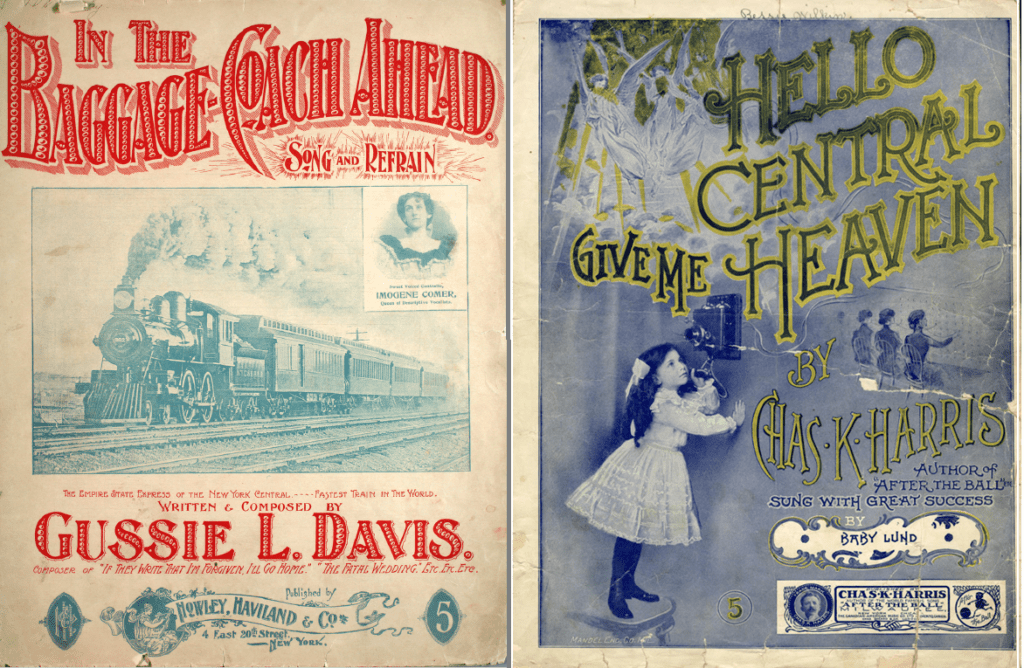
“Fathers’ Lullabies” and Other Songs About Maternal Mortality, 1865–1940
Songs about life after the death of a mother in childbirth were once extremely popular. Now long forgotten, the tales they tell are worth hearing.

Songs about life after the death of a mother in childbirth were once extremely popular. Now long forgotten, the tales they tell are worth hearing.
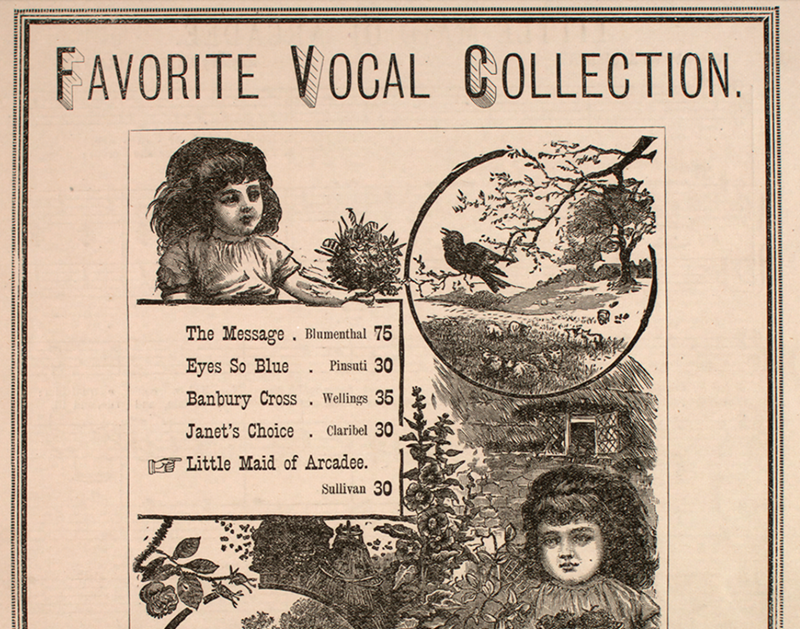
The Hal Leonard company has long sold an anthology entitled Daffodils, Violets & Snowflakes, 24 gender-stereotyped songs from 1900-22. Here’s a look at what they convey.
A conversation with Zsuzsanna Ardó and her creative collaborators about the progress of PlanetWoman, the international choral project connecting composers and choirs across the globe.
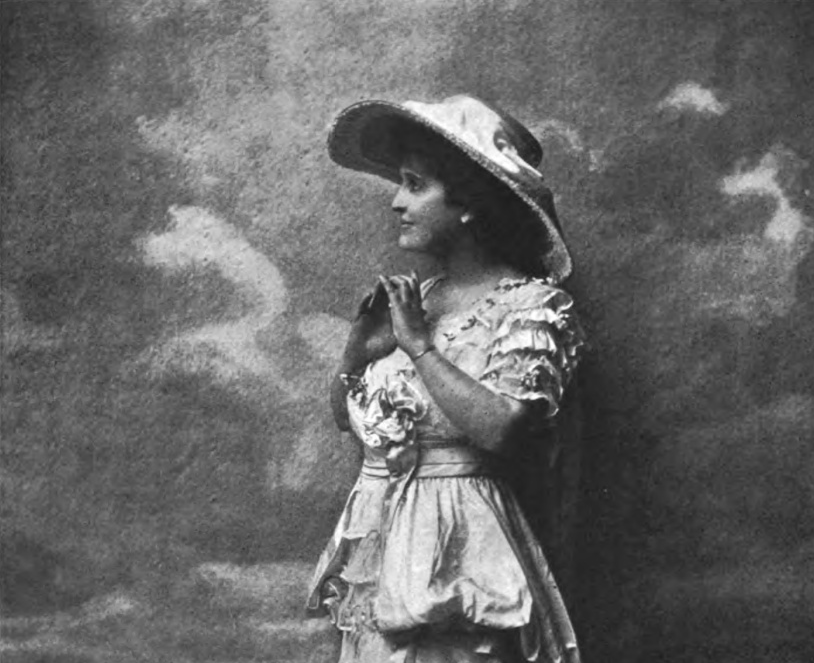
Kitty Cheatham – singer, actress, daughter of slave-owners – was committed to preserving Negro spirituals, even as her performances swore allegiance to the Lost Cause of the antebellum South.
Two-and-a-half years ago I launched a website devoted to marginalized song composers. In this post, I reflect on where it all began.
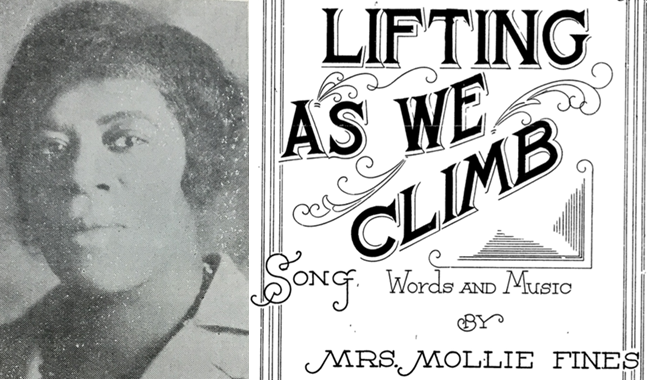
Wichita’s newspaper, The Negro Star, helps document the remarkable life of Mollie Fines, and shows that she regularly used new musical experiences to create new opportunities.
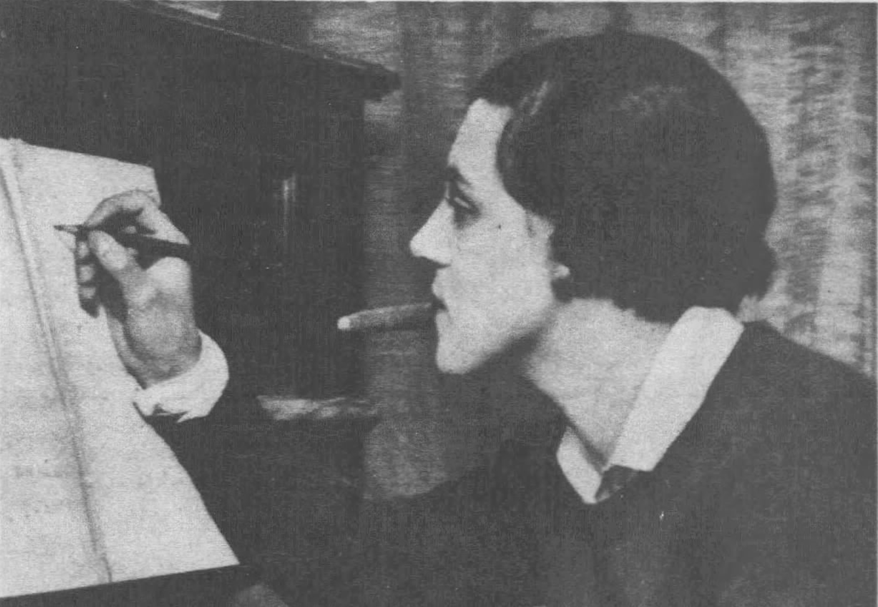
There are at least two ways to read this striking image of Vivien Lambelet: one personal, the other professional. One reading doesn’t exclude the other.
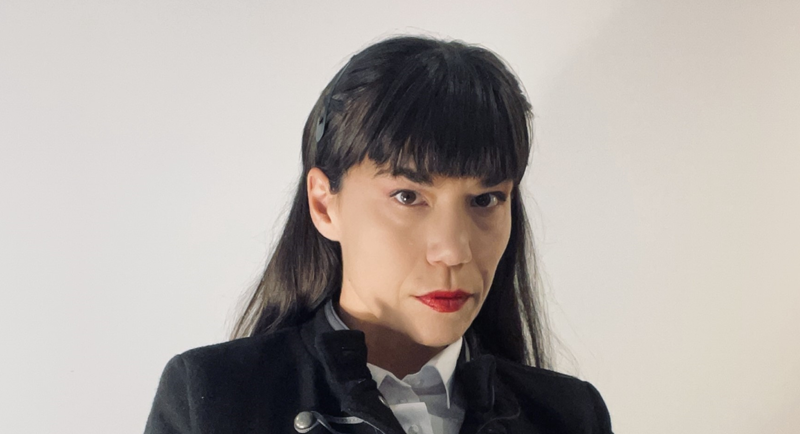
Jovana Backović’s haunting music for Ophelia in a production of Hamlet spurred this conversation about her influences and artistic goals.
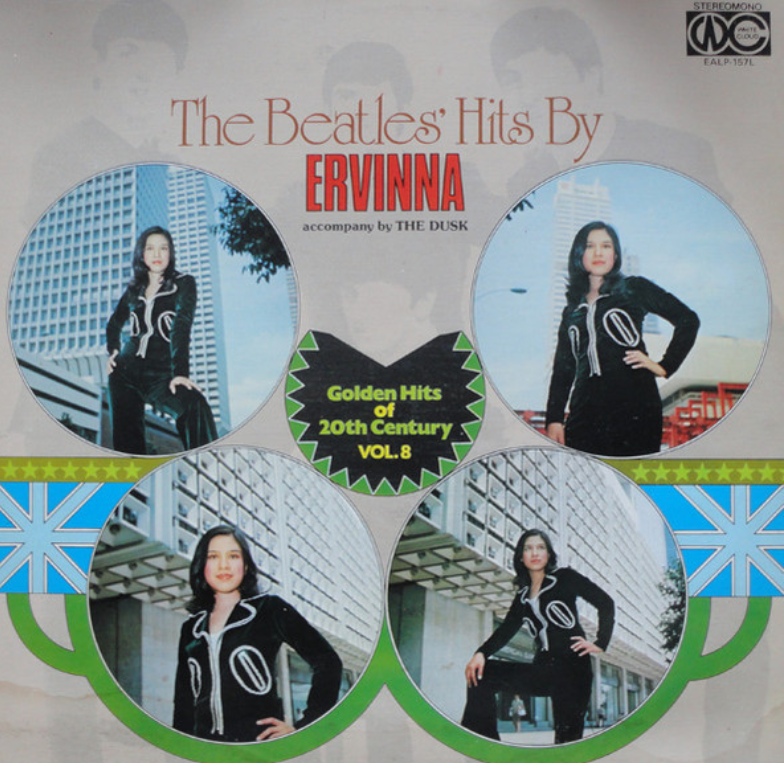
Translations and cover songs raise many of the same questions. This post (and playlist) looks at how young women transformed Beatles songs on their debut albums.
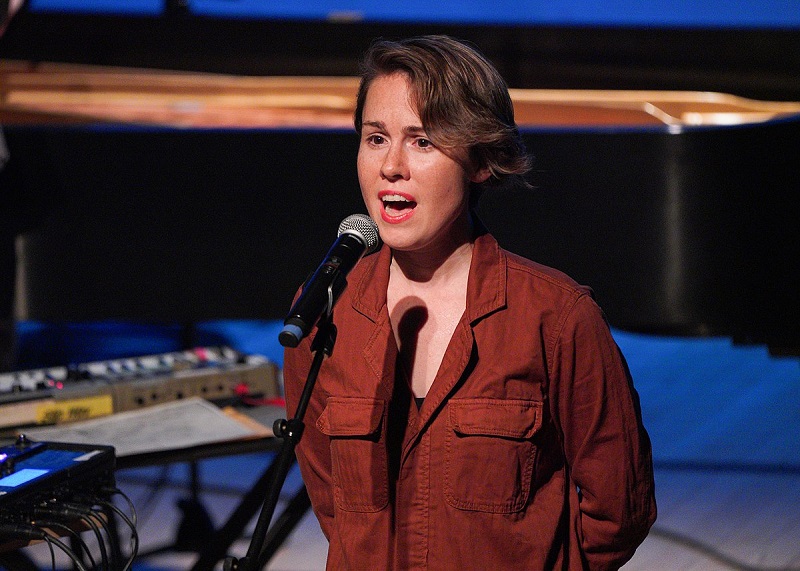
On a lark, I asked my students to listen to a beautiful song by Caroline Shaw and, rather than write about it, draw a picture of it. The results astounded me.