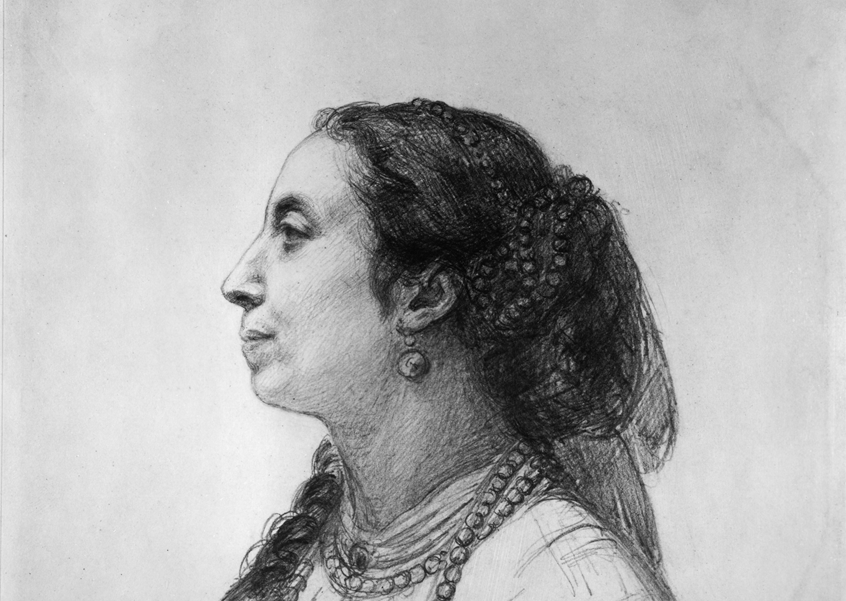
Pauline Viardot’s Missing Mörike Cycle
Can the editorial creation of a song-cycle from individual songs help raise the visibility of women composers? The songs of Pauline Viardot-Garcia offer a wonderful opportunity.

Can the editorial creation of a song-cycle from individual songs help raise the visibility of women composers? The songs of Pauline Viardot-Garcia offer a wonderful opportunity.
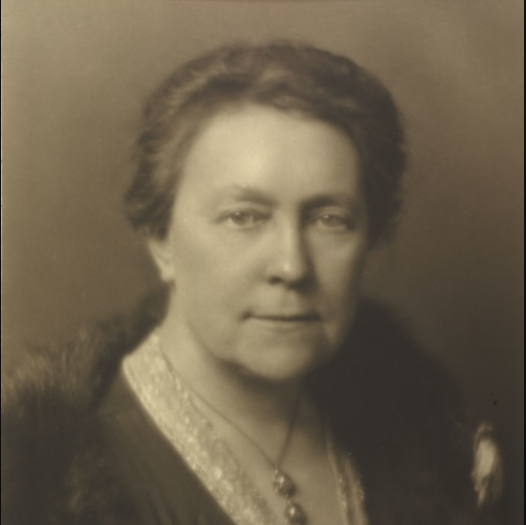
A century ago women composers in German-speaking countries often followed their male colleagues in preferring to set poems by men. But a few had other ideas.
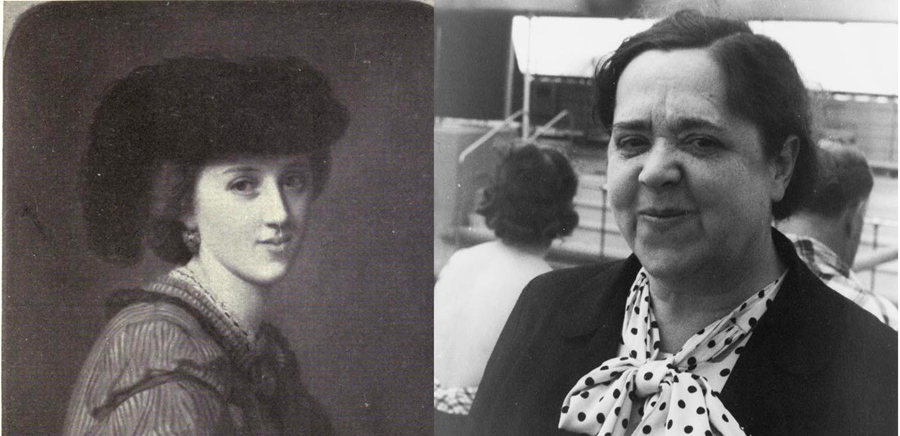
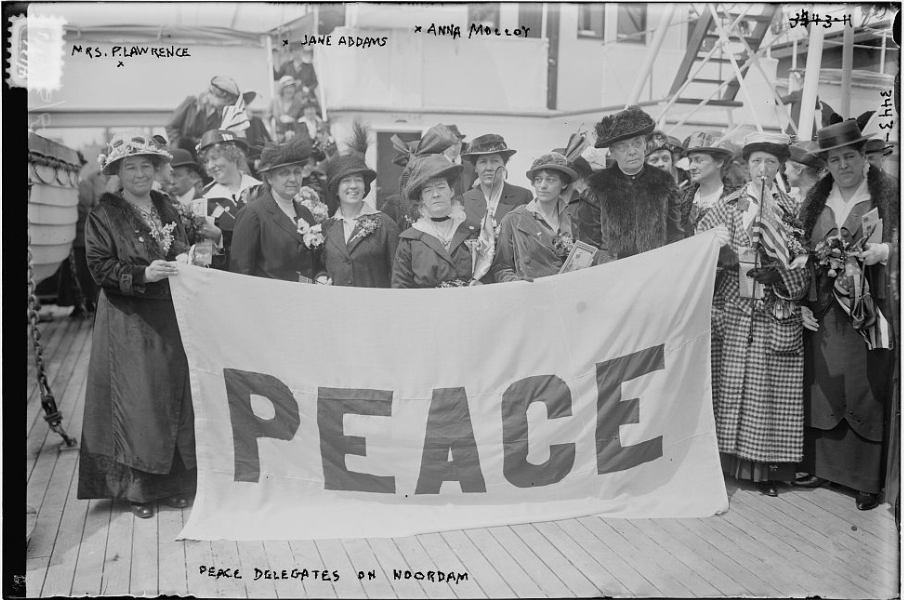
In the years before and after 1900, many women composers obscured their gender by replacing their names with their initials. Here is a look at six of them.
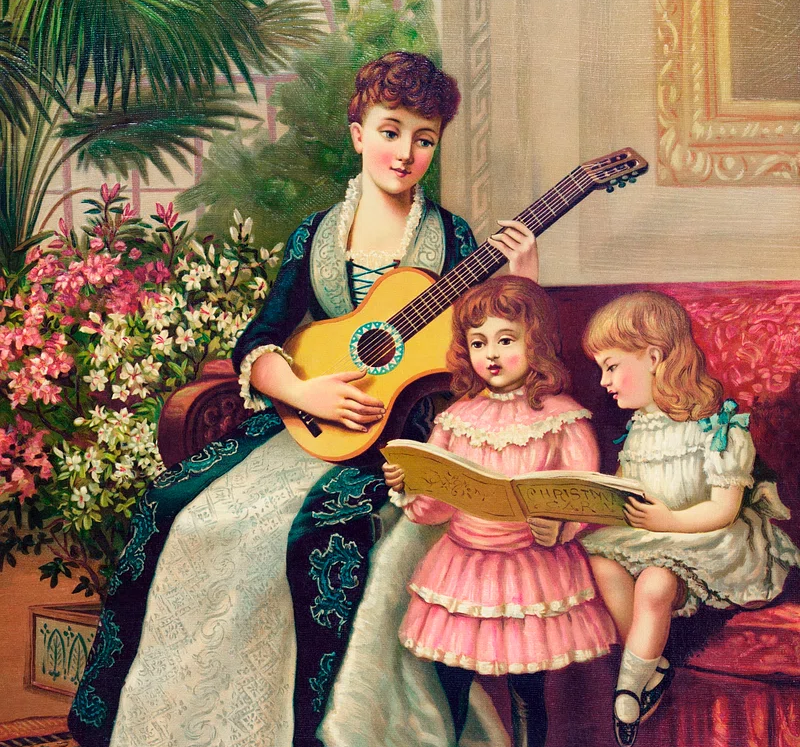
Creating music for Christmas creates particular challenges for composers – male or female. Here are twelve works by eleven women from five different countries.
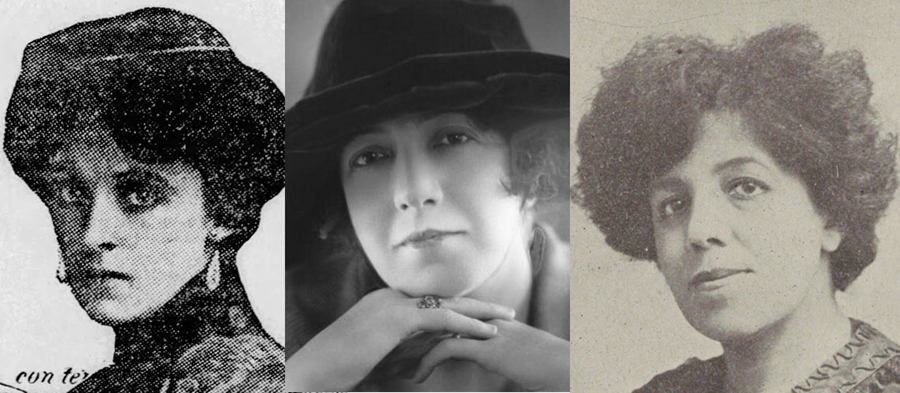
Before and after 1900 many women songwriters published their songs with male pseudonyms. Three of the most successful share an unexpected biographical trait.
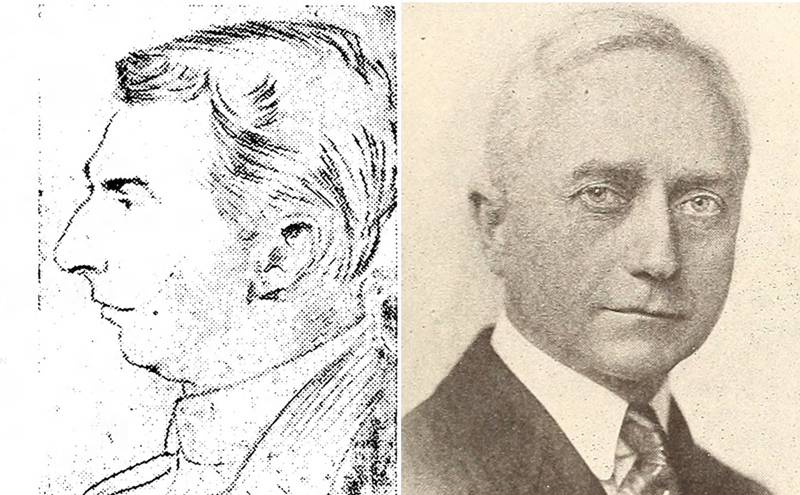
While the phenomenon of women publishing as men is well known, a century ago there were also men who published as women. Here are four of them.
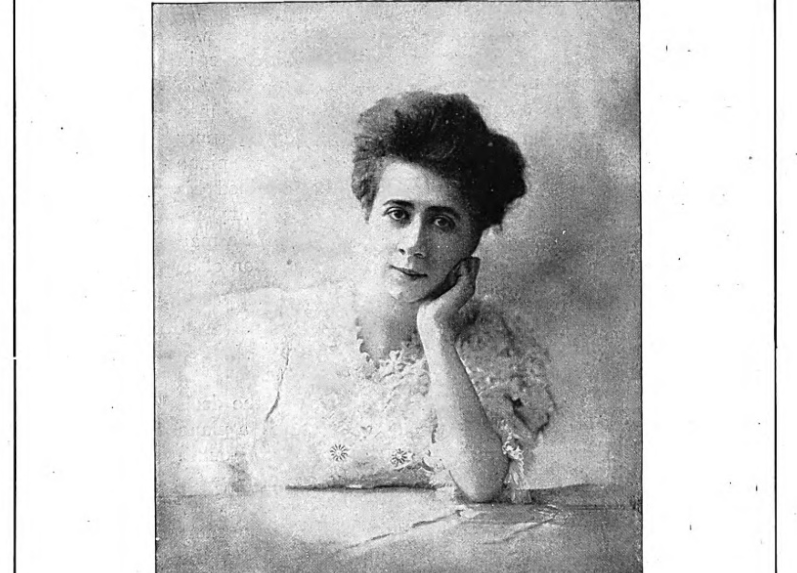
“Boat Song” was Harriet Ware’s best-selling song. In particular it became a standard for two unexpectedly allied groups of singers: professional men and amateur women.
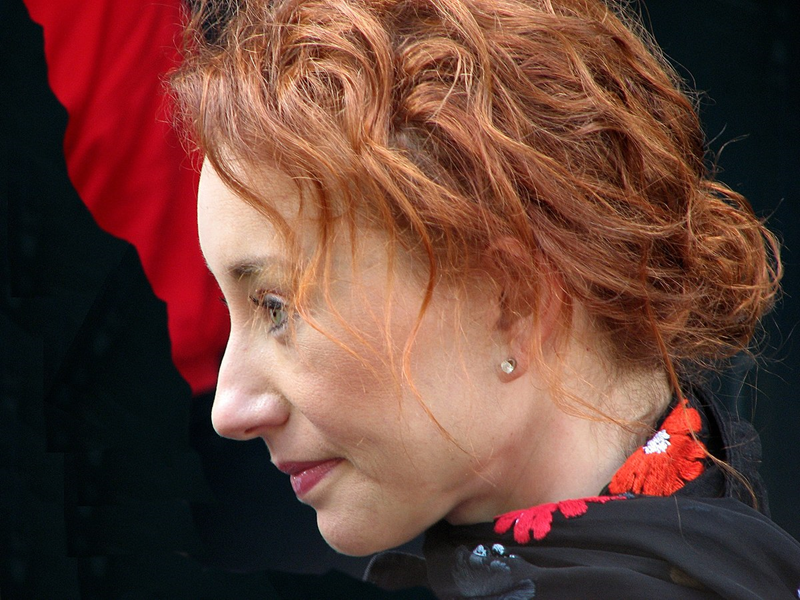
A Tori Amos song shows how vocal timbre conveys symptoms of trauma in a way that lyrics cannot. Content Warning: Discussion of sexual assault, rape, and child abuse.
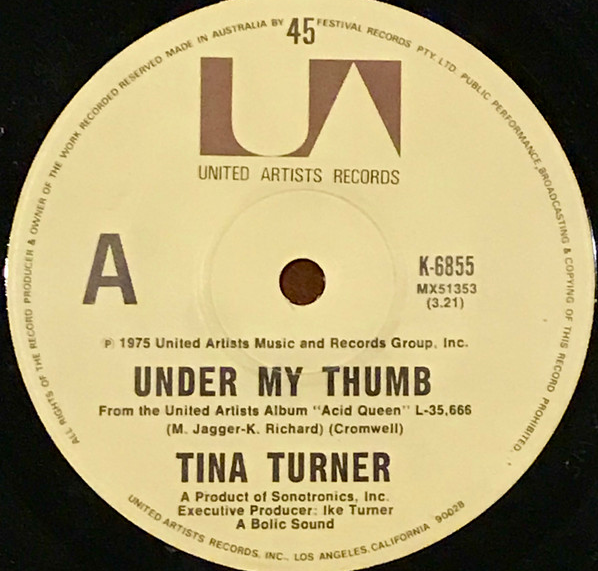
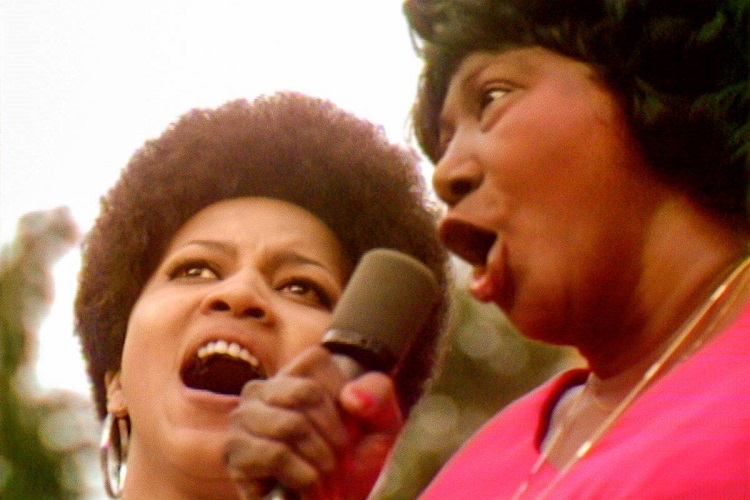
Women’s covers of Rolling Stones’ songs demonstrate the practice of singers covering a previous cover rather than the original version of a song.
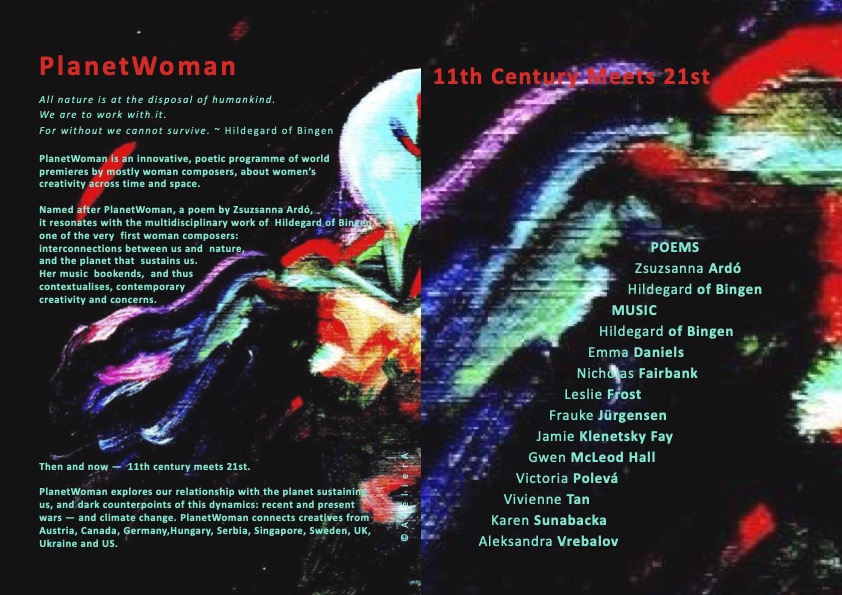
Coming next fall! PlanetWoman, an innovative program of world premieres by women composers setting poems by women. Zsuzsanna Ardó found her inspiration in writings of Hildegard of Bingen.