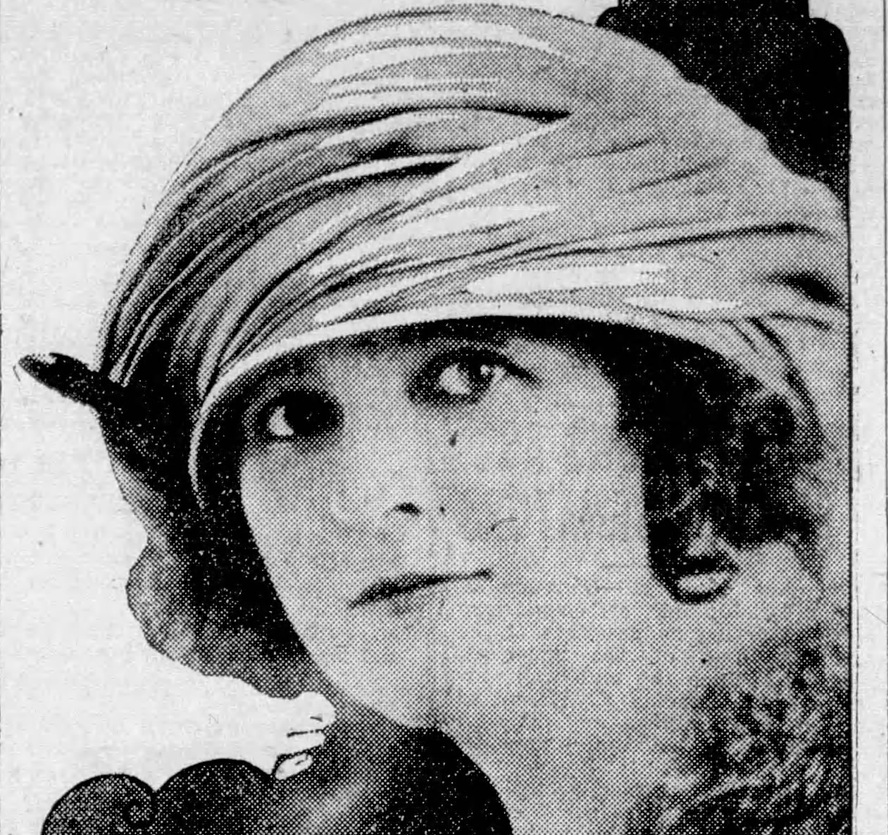
Singing Lily Strickland’s “Mah Lindy Lou” and the Lindy Lou Song
Lily Strickland’s “Mah Lindy Lou,” a setting of her own Black dialect poem, became internationally popular and was often performed and recorded by Black and white singers
Lily Strickland’s “Mah Lindy Lou,” a setting of her own Black dialect poem, became internationally popular and was often performed and recorded by Black and white singers
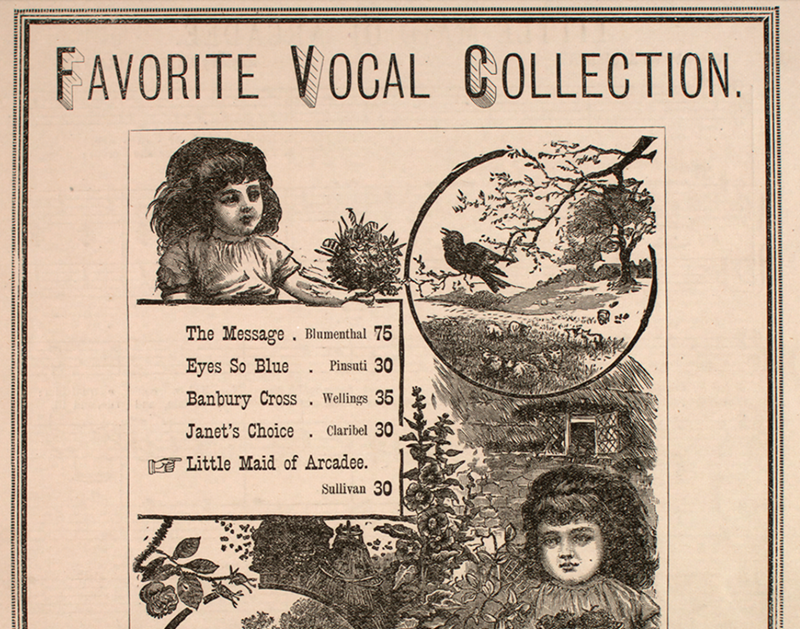
The Hal Leonard company has long sold an anthology entitled Daffodils, Violets & Snowflakes, 24 gender-stereotyped songs from 1900-22. Here’s a look at what they convey.
When Italian singer Beniamino Gigli made his farewell tour of America in 1955, some three thousand people packed Carnegie Hall to hear his recitals. On
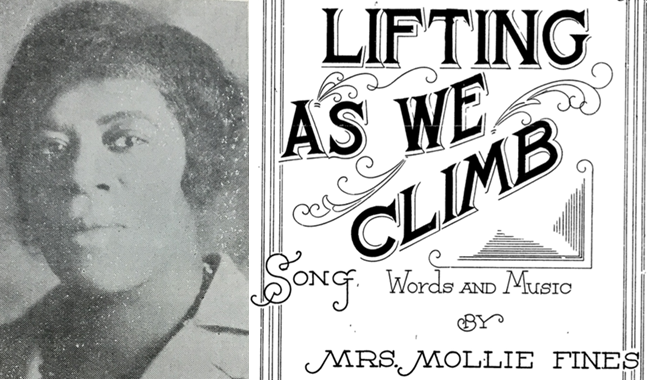
Wichita’s newspaper, The Negro Star, helps document the remarkable life of Mollie Fines, and shows that she regularly used new musical experiences to create new opportunities.
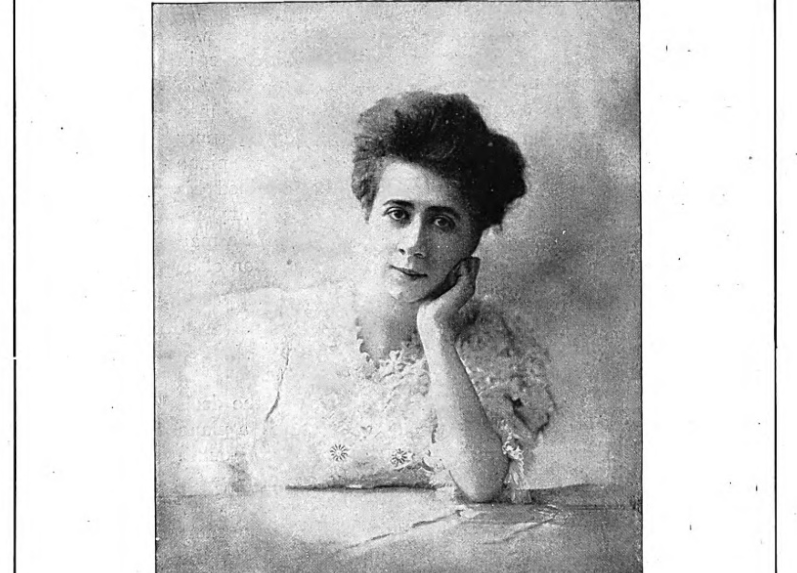
“Boat Song” was Harriet Ware’s best-selling song. In particular it became a standard for two unexpectedly allied groups of singers: professional men and amateur women.
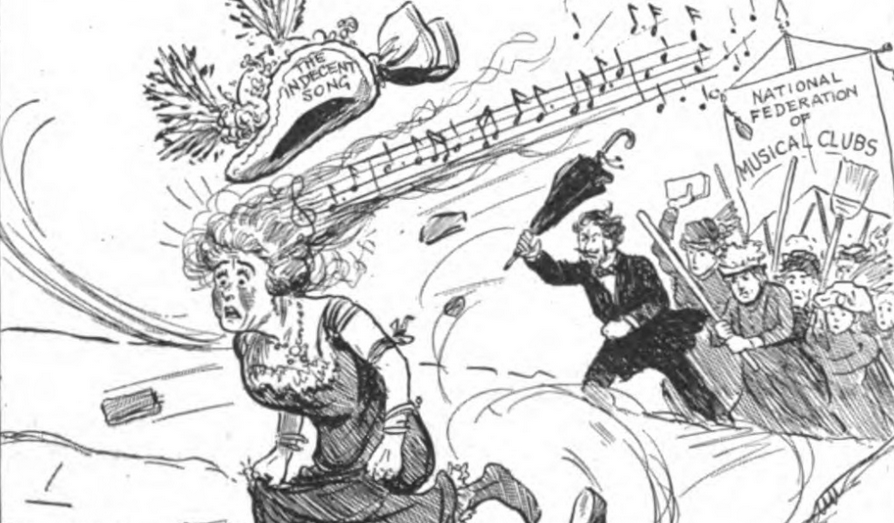
By 1913 the “indecency” of modern popular songs could no longer be ignored. Members of the National Federation of Music Clubs tried to fight back.
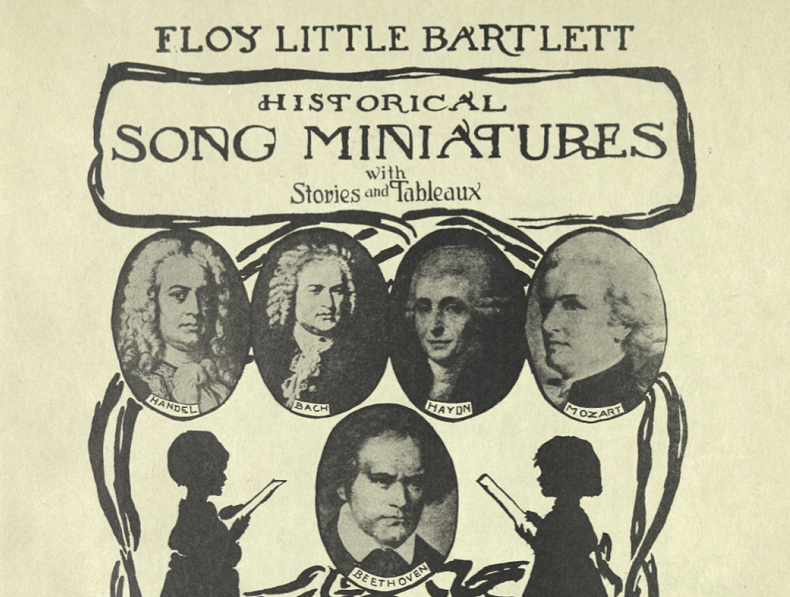
As European art music began to be challenged by jazz, musically influential women devised ways to cultivate “a taste for ‘good’ music in children.”
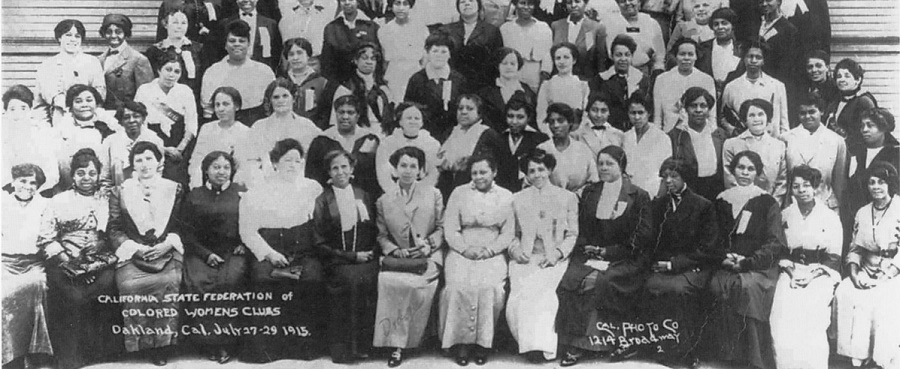
By 1914 the NACWC had 50,000 members. Their motto, “Lifting as We Climb,” was worked into songs performed regularly at meetings. It reverberates to this day.
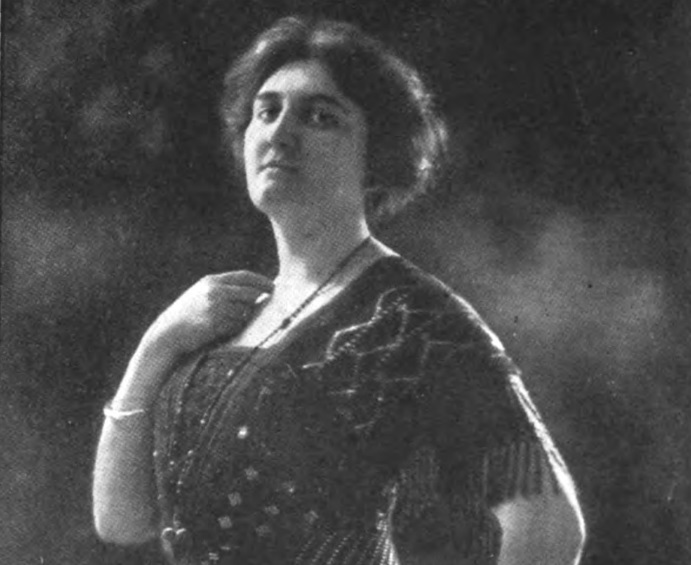
Just over a century ago, there was a concerted effort by contralto Alice Louise Mertens and composer-pianist Lola Carrier Worrell, and others, to champion American women composers.
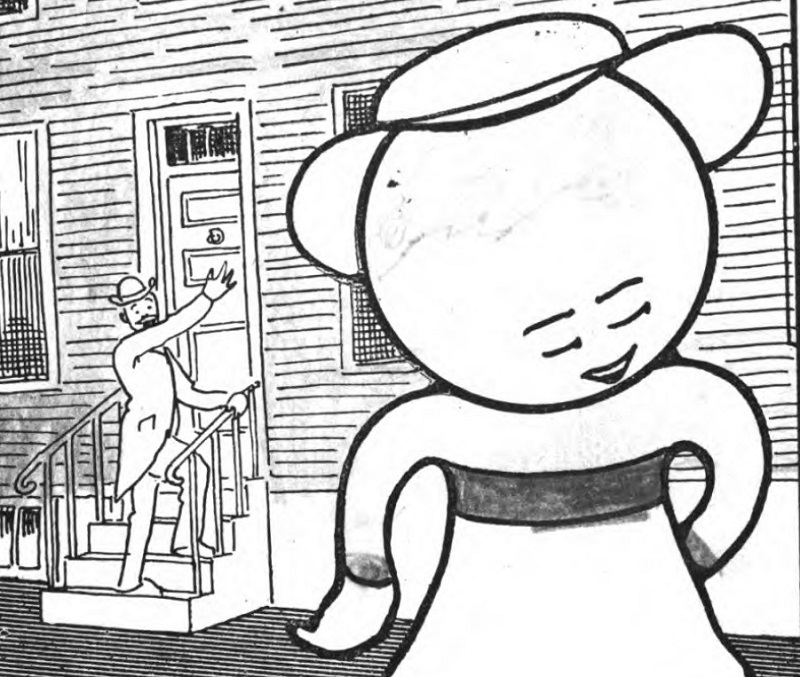
“The Goop Directory of Juvenile Offenders Famous for Their Misdeeds” is an unlikely source of material for children’s songs. Elizabeth Merz Butterfield thought otherwise.