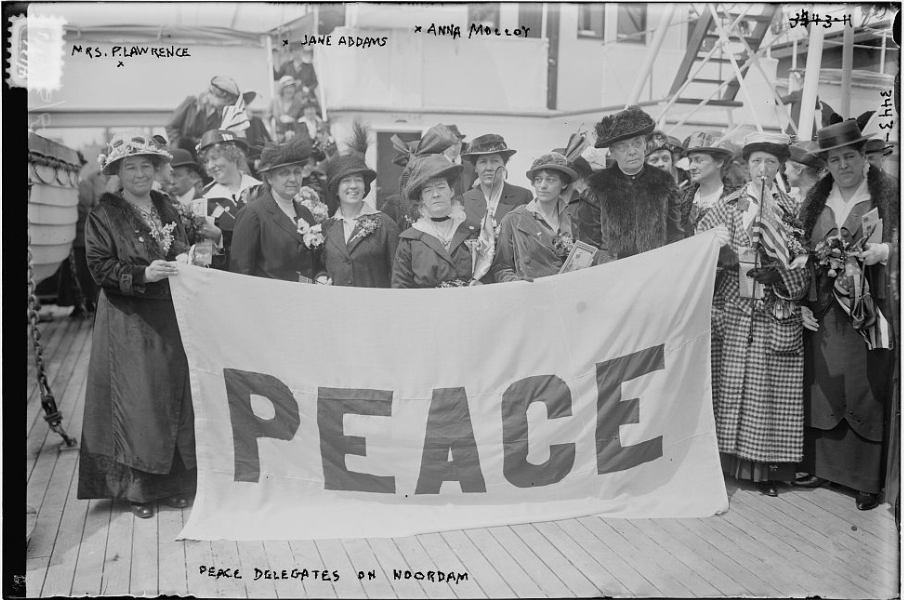
Elisabeth Johnson’s Peace Songs
American women in peace organizations active between the two World Wars sought to transform the culture that glorified war. Elisabeth Johnson was one of them.
American women in peace organizations active between the two World Wars sought to transform the culture that glorified war. Elisabeth Johnson was one of them.
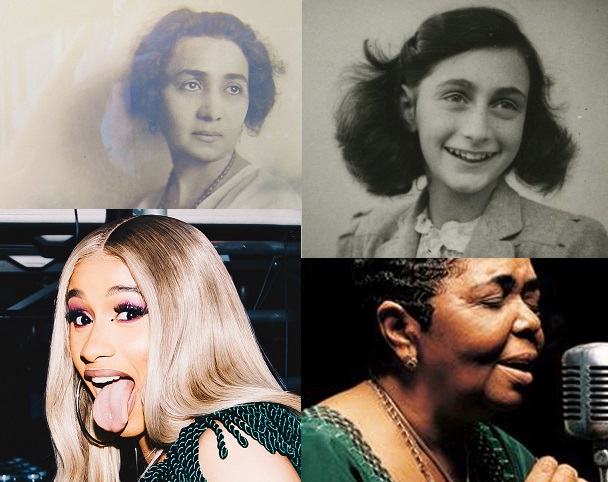
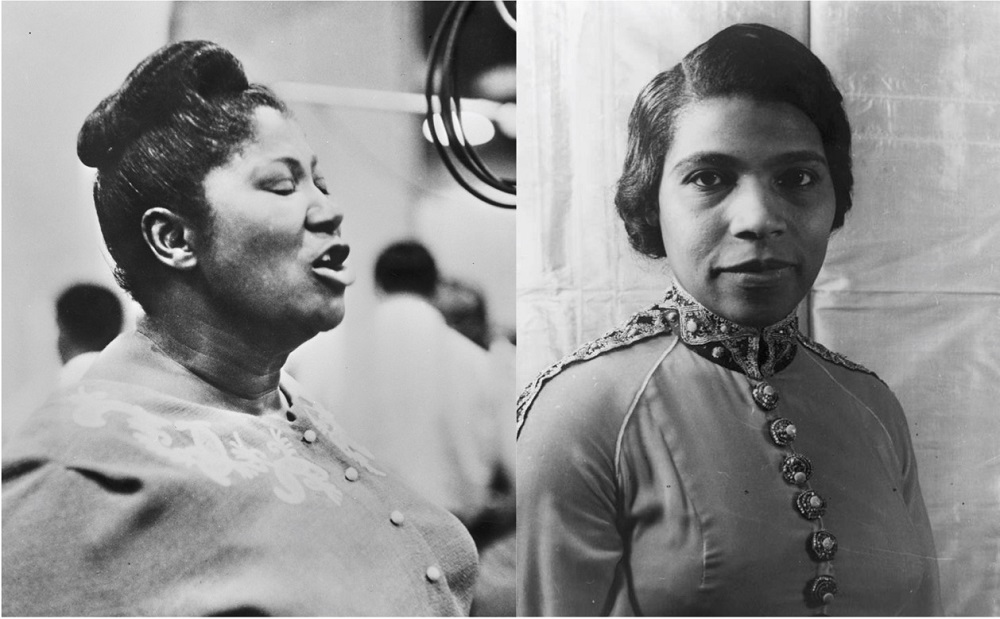
This month Stephen Rodgers is guest host for Thomas Hampson’s weekly program, Song and Beyond. Here are two conversations with members of the WSF team.
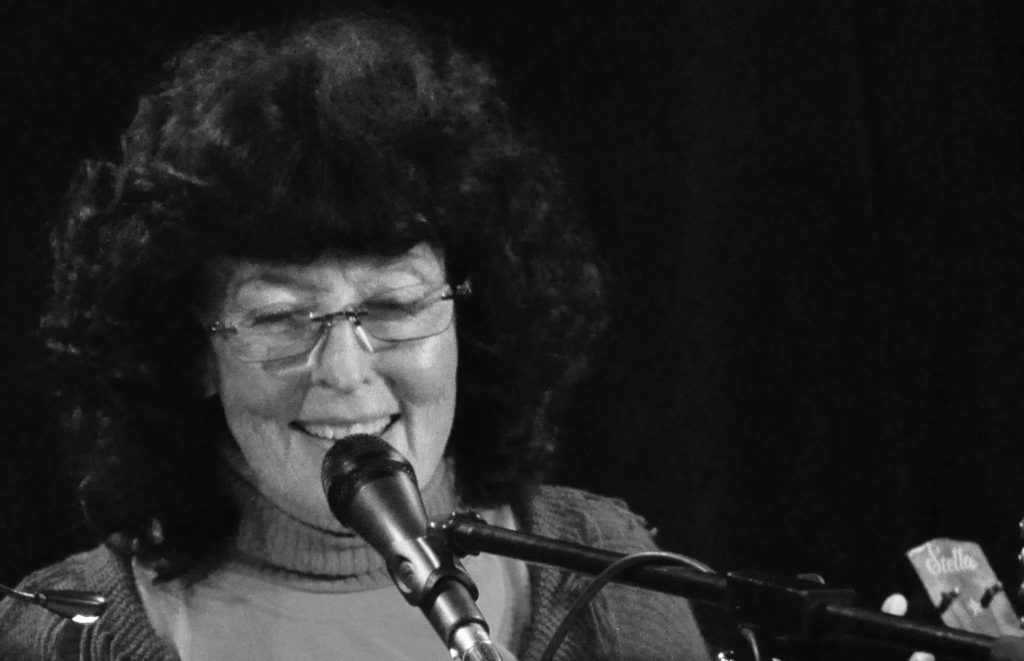
Women’s singing, in extremis, has frequently been associated with the non-verbal. Linda Perhacs’s “Parallelograms” (1970) is an example that is grounded in words.
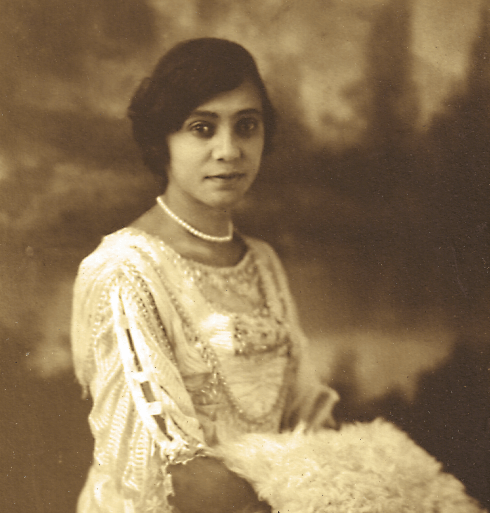
This audio blog post discusses Julia Johnson Davis’s poem “To My Little Son” and Florence Price’s deeply personal musical setting of it.

“Praying,” Kesha’s first ballad, was written about her recovery from traumatic abuse by her former producer, Dr. Luke. Her voice depicts this journey.
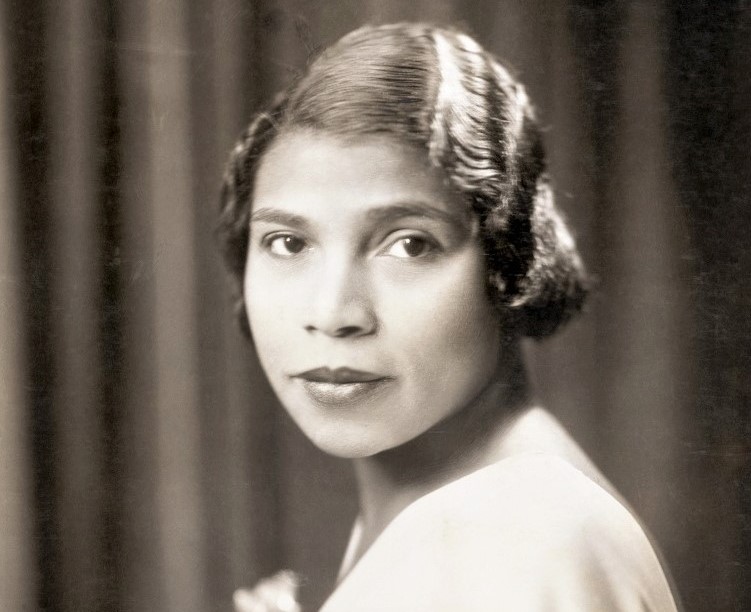
Marian Anderson was a pioneering interpreter of Jean Sibelius’s songs. “Flickan kom ifrån sin älsklings mote,” was one of the first she recorded.