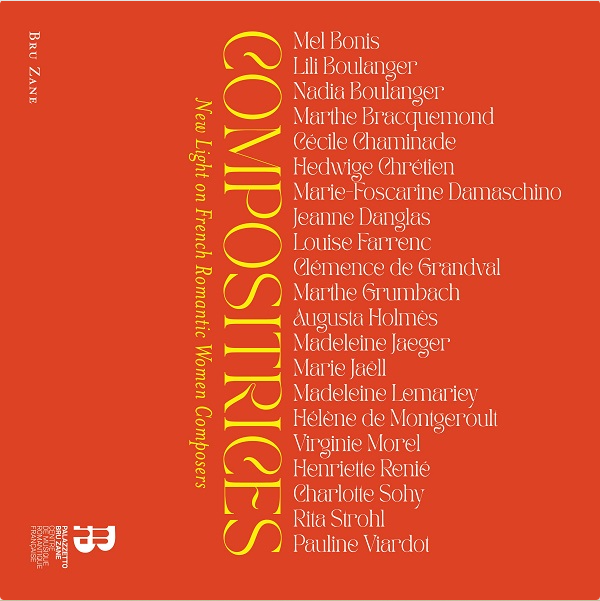
Compositrices: New Light on French Romantic Women Composers
Ralph P. Locke reviews an astonishing set of 8 CDs that offer dozens of compositions by women performed by major singers, pianists, and ensembles.

Ralph P. Locke reviews an astonishing set of 8 CDs that offer dozens of compositions by women performed by major singers, pianists, and ensembles.
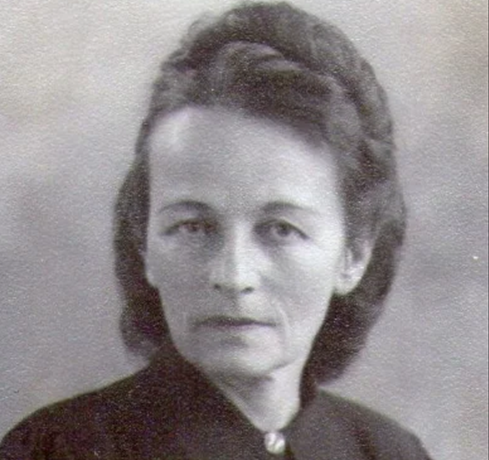
Eva Maria Doroszkowska marks the most recent anniversary of Russia’s invasion of Ukraine with this reflection about the remarkable, but largely unknown, composer Stefania Turkewich.
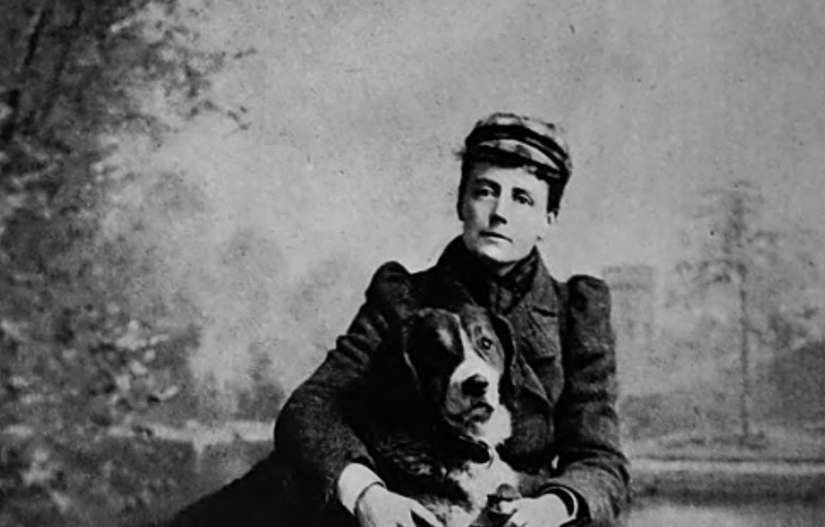
Lisa Colton recounts the thrill of discovering the autograph manuscript of Edith Smyth’s ‘Mass in D.’
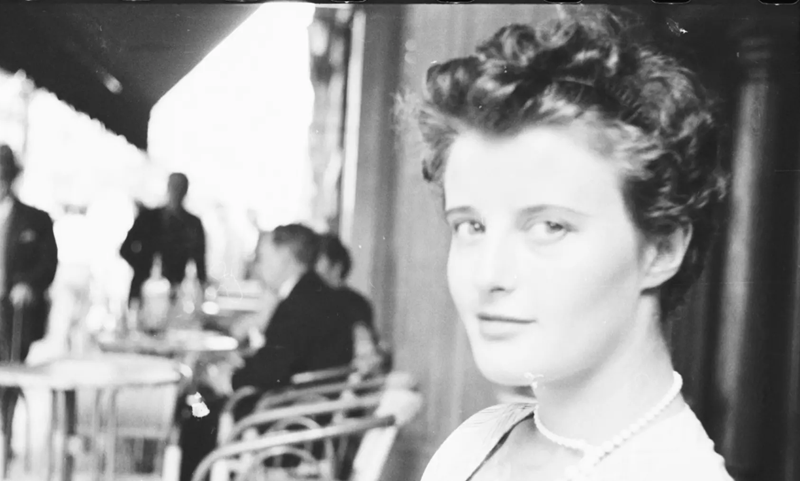
Ascensión Mazuela-Anguita finds that Lomax’s 1952-53 recordings help us to understand the political situation under Franco, life in impoverished Spain, and the moral constrictions faced by women.
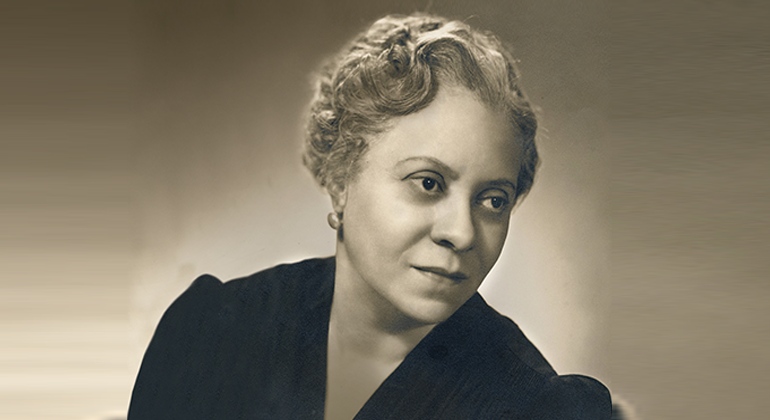
John Michael Cooper interprets Florence Price’s songs, “To My Little Son” and “Brown Arms (To Mother),” as responses to the painful losses of her son and her mother.
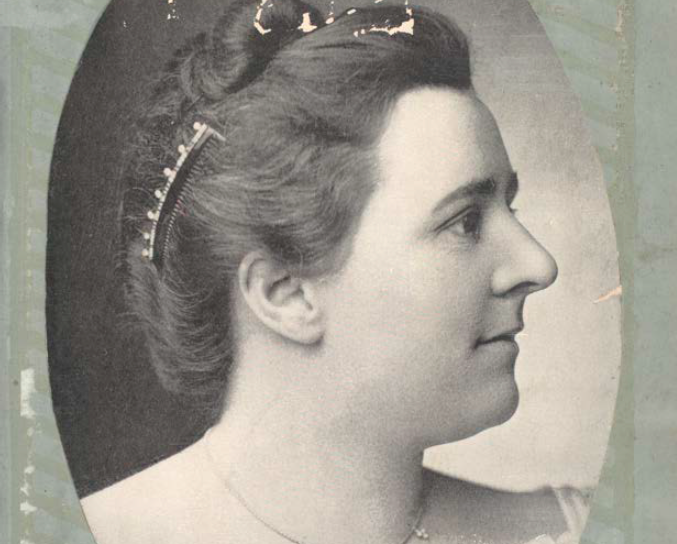
In her second post, Heather Platt tracks Villa Whitney White’s lecture-recitals of German lieder from 1895–98. Unusually, White sang complete song-cycles and songs written for men.
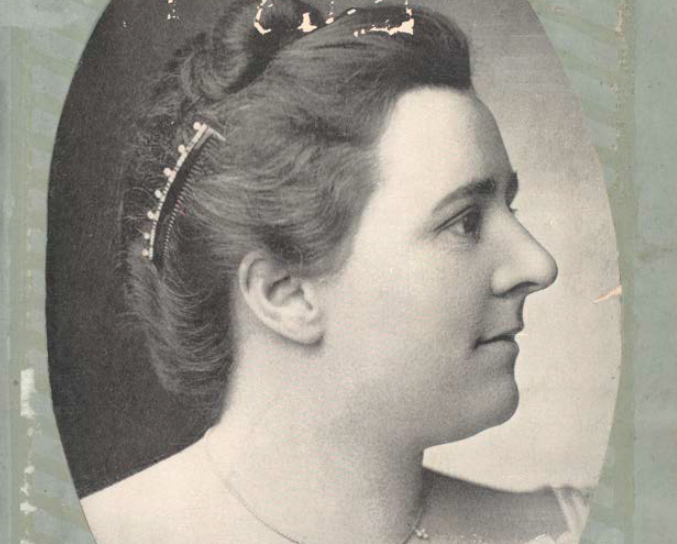
Heather Platt discusses an unusual lecture-recital held in Denver in 1898 that brought together songs of Native Americans, Blacks, Creoles and whites. Women’s clubs and Villa Whitney White made it happen.

Qianwen Yu explores the musicality of traditional weaving through a combination of historical research and contemporary technology, interpreting the woven fabric as a map, as a score.
Riché Richardson talks about what Whitney Houston meant to her as a Black teenager growing up in Montgomery, Alabama.
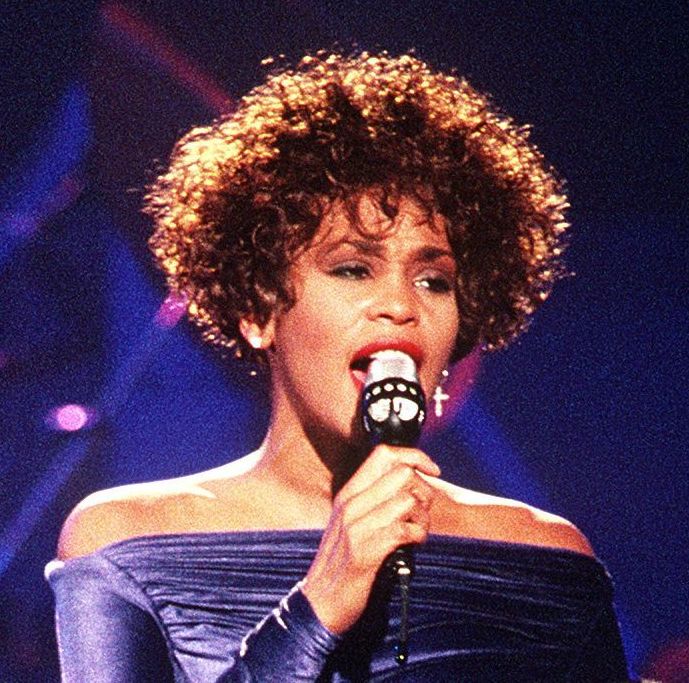
Riché Richardson talks about what Whitney Houston meant to her as a Black teenager growing up in Montgomery, Alabama.