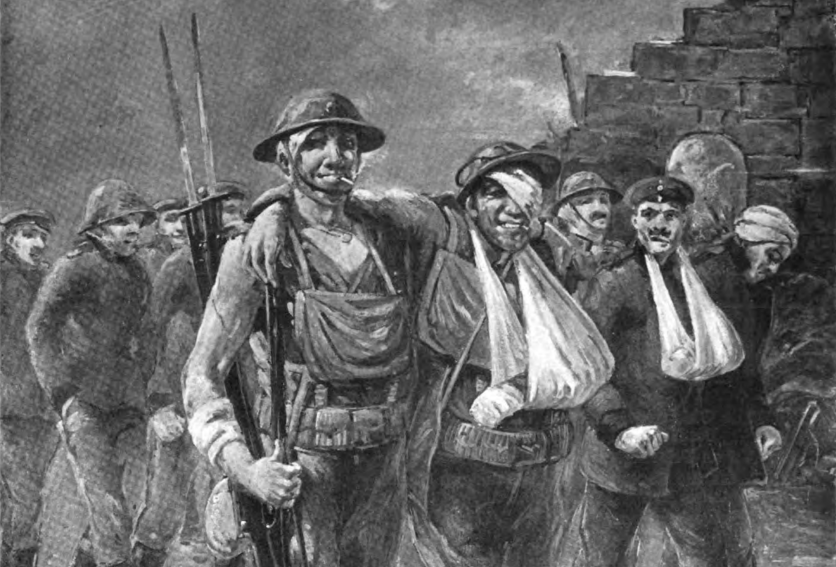
“A Perfect Day,” Pt. 2: World War I
During WWI, no song was more beloved of Allied troops, no song was more ingrained in the popular cultures of the U.S. and U.K.

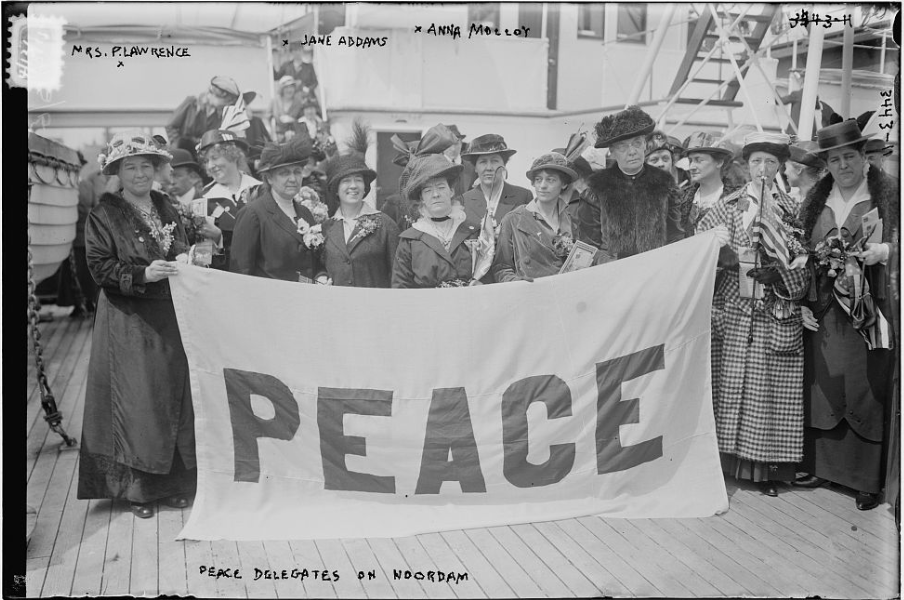
During WWI, no song was more beloved of Allied troops, no song was more ingrained in the popular cultures of the U.S. and U.K.
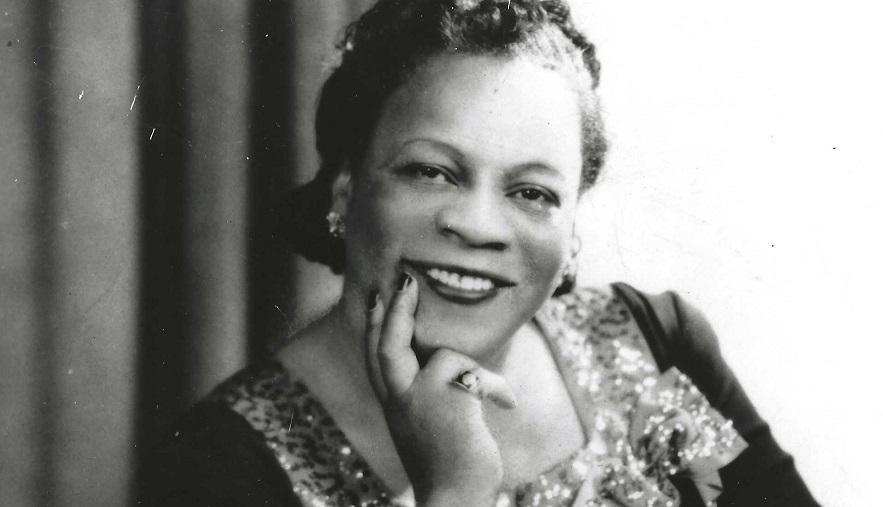
Dawson founded the National Negro Opera Company, and brought this all-Black company to perform at New York’s Metropolitan Opera, even before Marian Anderson sang there.
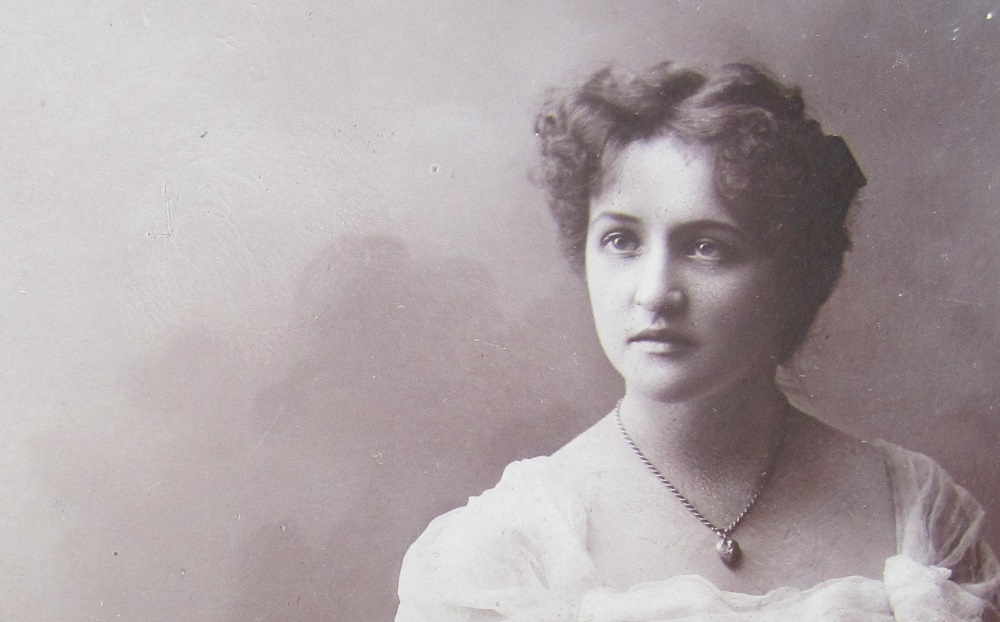
“My friend, Maja Strozzi, perhaps the most beautiful voice of both hemispheres.” Thomas Mann (Doctor Faustus, chapter 37)
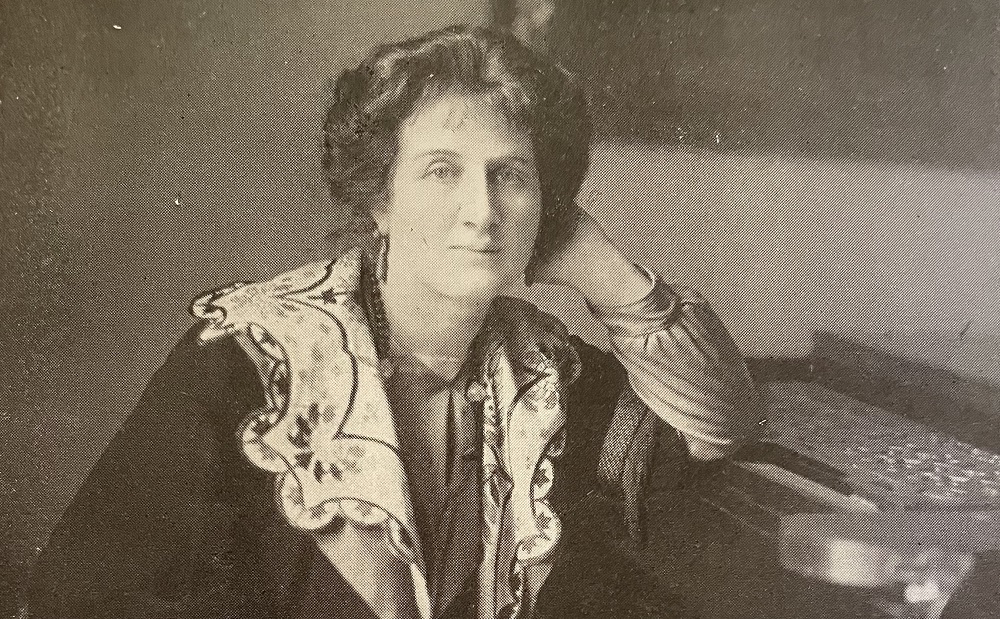
Two members of the WSF Team explore the context and power of Liza Lehmann’s “Evensong.”
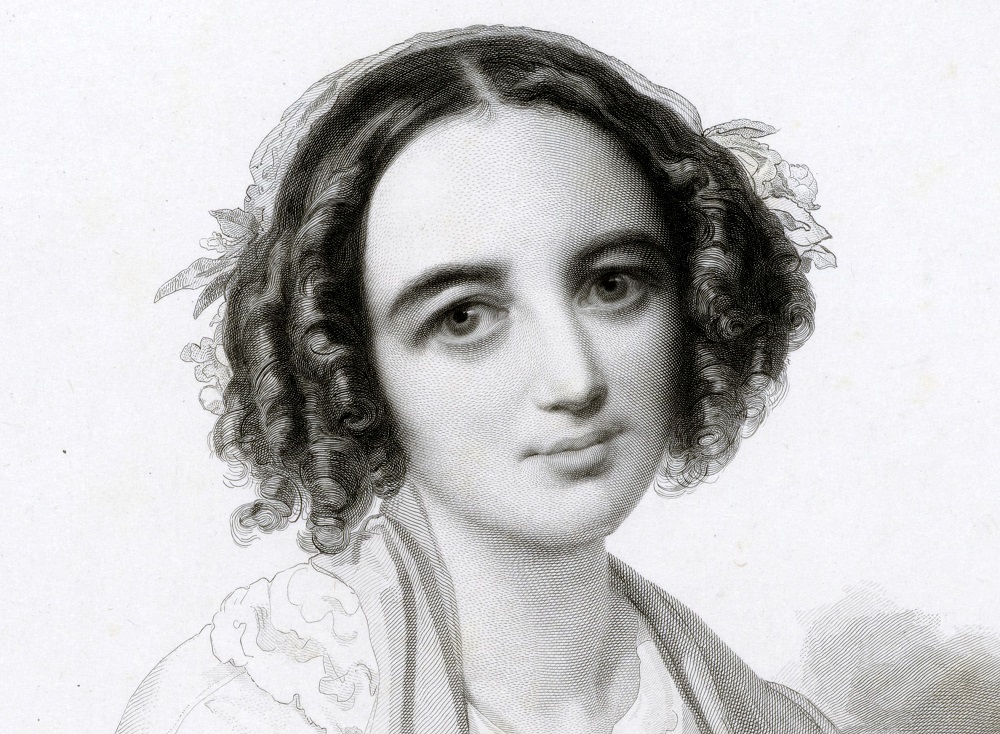
In this post Verica Grmusa, Nicole Panizza, and Stephen Rodgers bring to life an unpublished Hensel song from 1826, and reflect on the meaning of domestic spaces then and now.
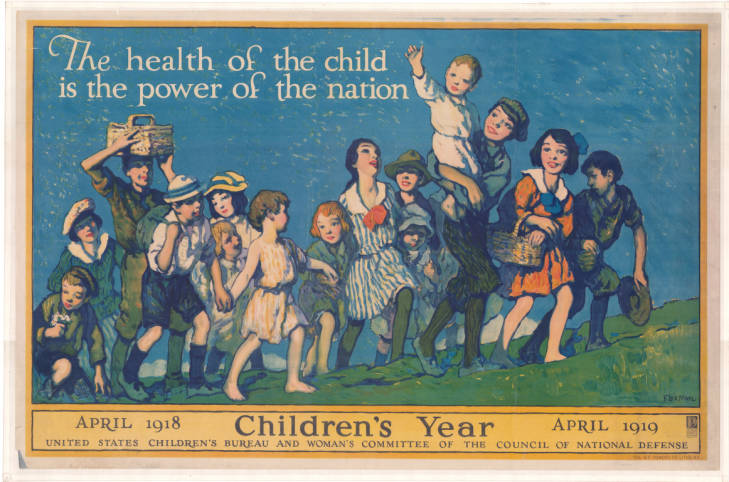
A century ago, Mary Turner Salter’s cathartic song about the death of a child was sung by female singers nationwide. It spoke to women’s experiences.
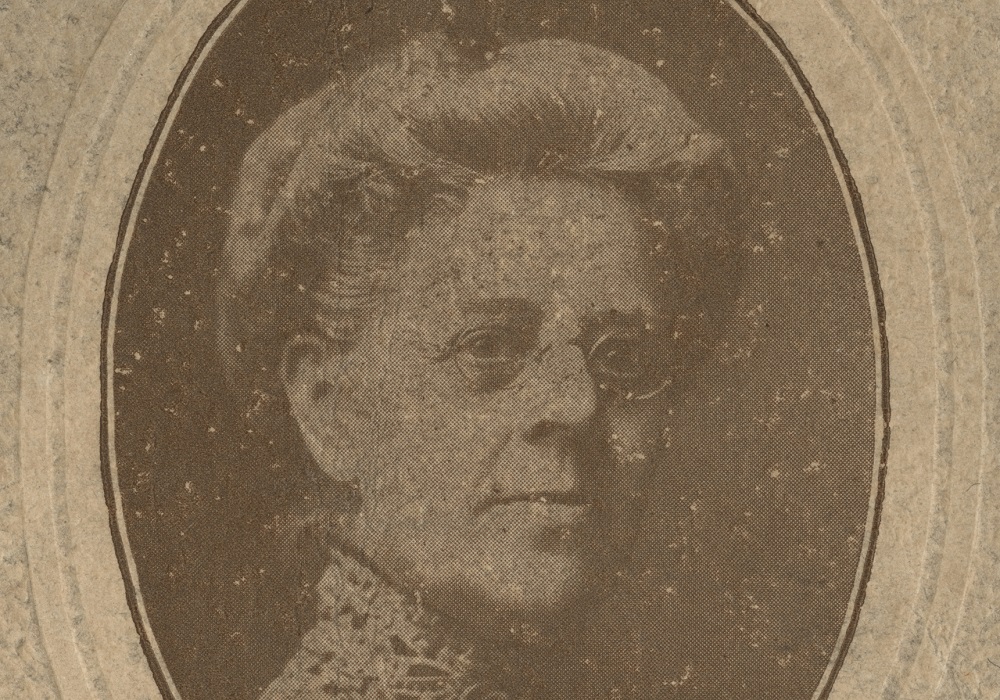
Although Emma Louise Ashford (1850-1930) is little known today, her music has been performed ever since it was published, in the U.S. and around the globe.
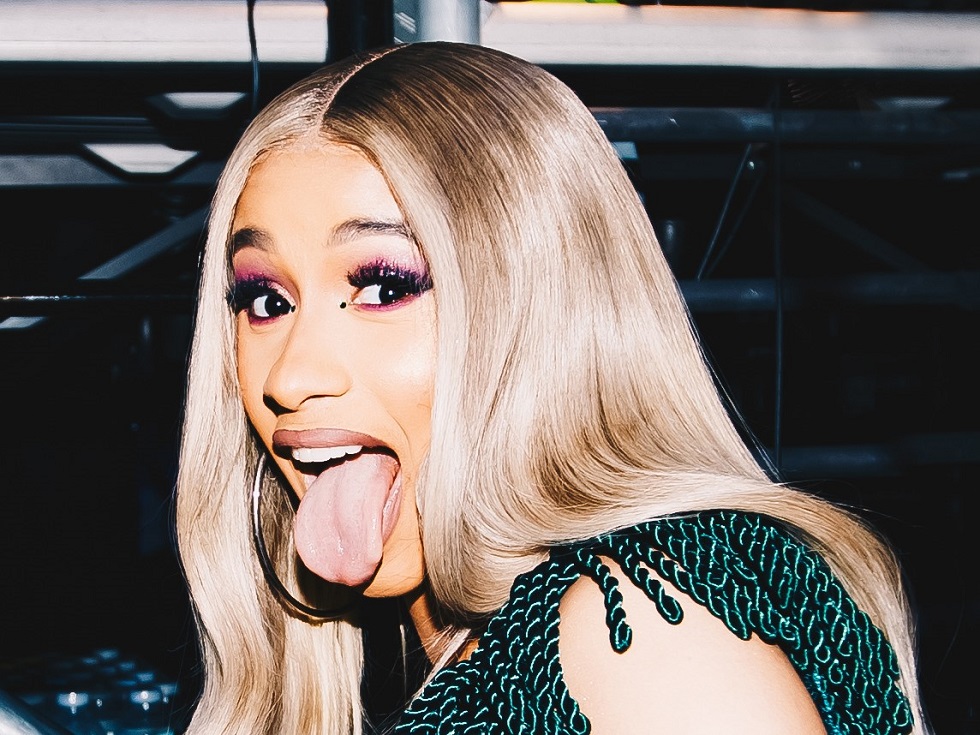
From the moment Cardi B and Megan Thee Stallion dropped their single on August 7, “WAP” became the song of 2020.
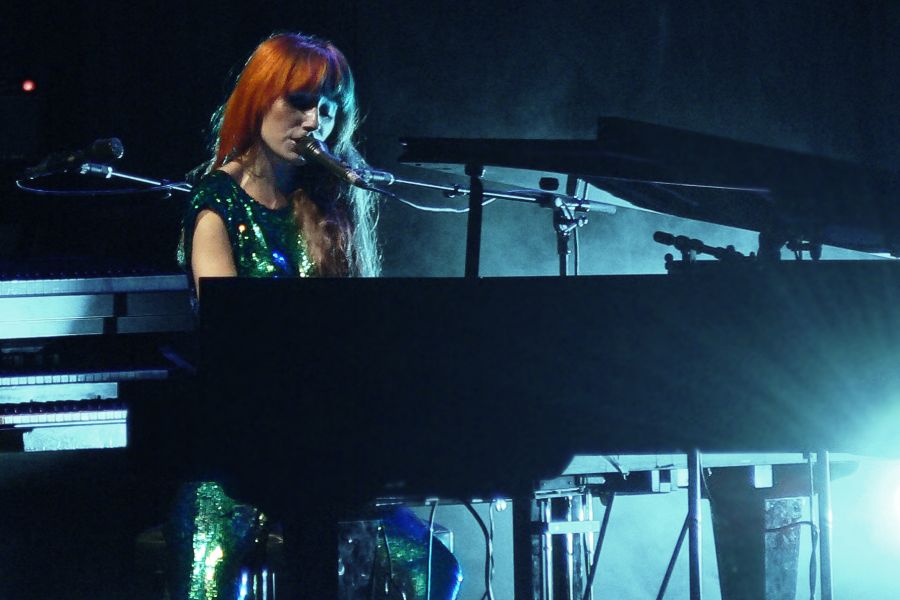
In her 2011 album Night of Hunters, Tori Amos reflects on a long tradition of classical music penned by men from the perspective of a woman.
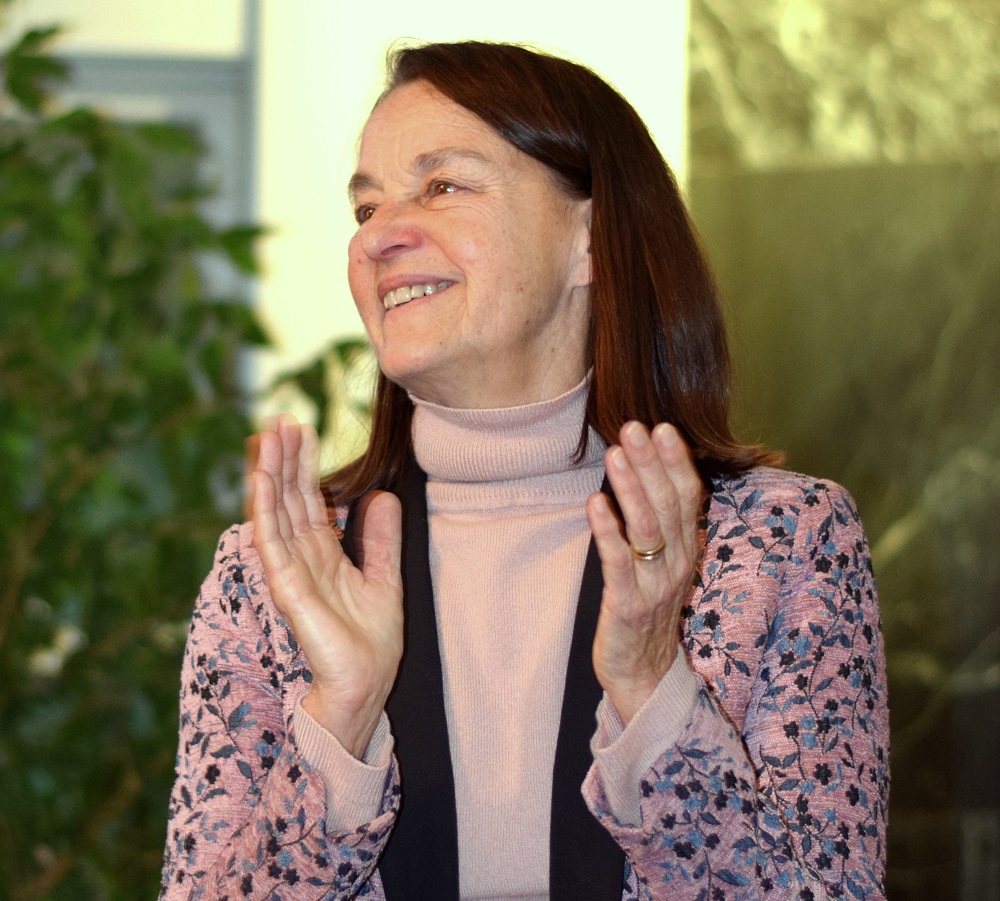
In her 1998 song cycle Songs from Letters: Calamity Jane to her daughter Janey, Libby Larsen explores the relationship between Jane and her daughter Janey.