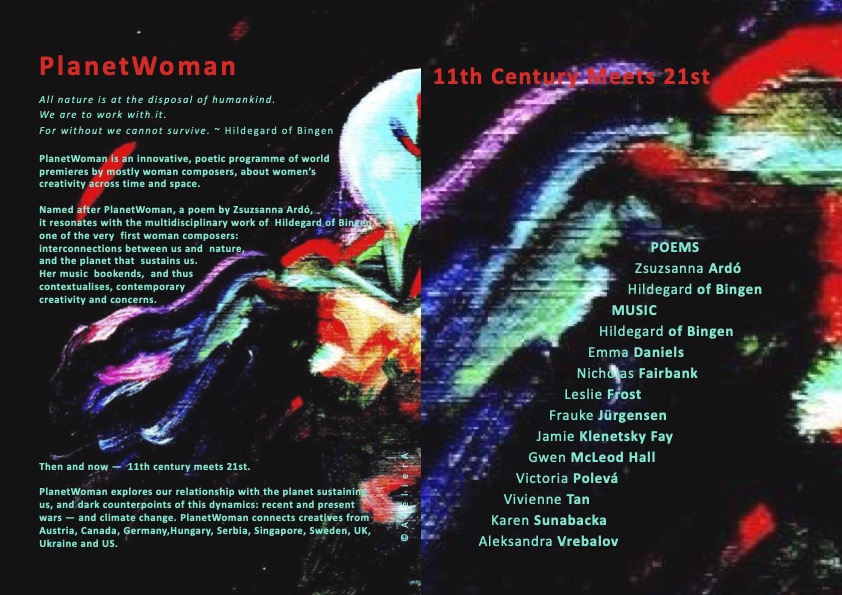
PlanetWoman: 11th Century Meets 21st
Coming next fall! PlanetWoman, an innovative program of world premieres by women composers setting poems by women. Zsuzsanna Ardó found her inspiration in writings of Hildegard of Bingen.

Coming next fall! PlanetWoman, an innovative program of world premieres by women composers setting poems by women. Zsuzsanna Ardó found her inspiration in writings of Hildegard of Bingen.
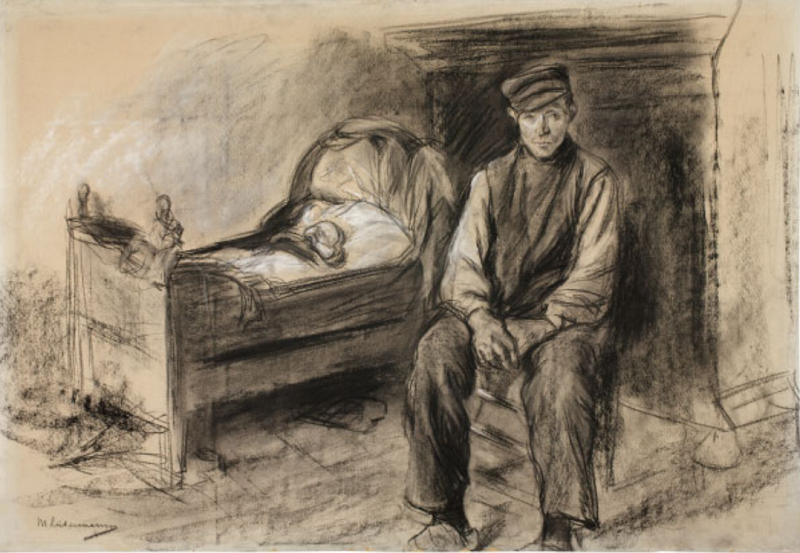
Carrie Jacobs-Bond’s song, “His Lullaby,” routinely moved entire audiences to tears, especially when sung by Ernestine Schumann-Heink. I offer some thoughts on why this happened.
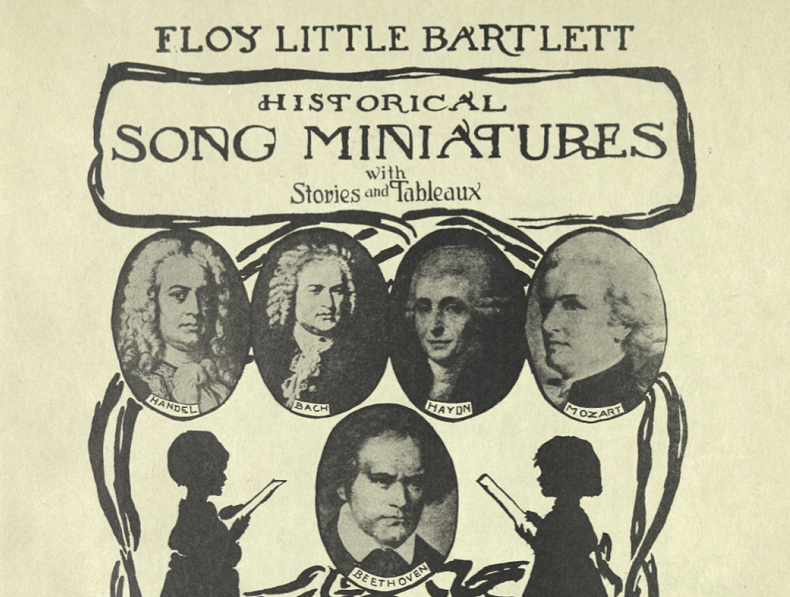
As European art music began to be challenged by jazz, musically influential women devised ways to cultivate “a taste for ‘good’ music in children.”
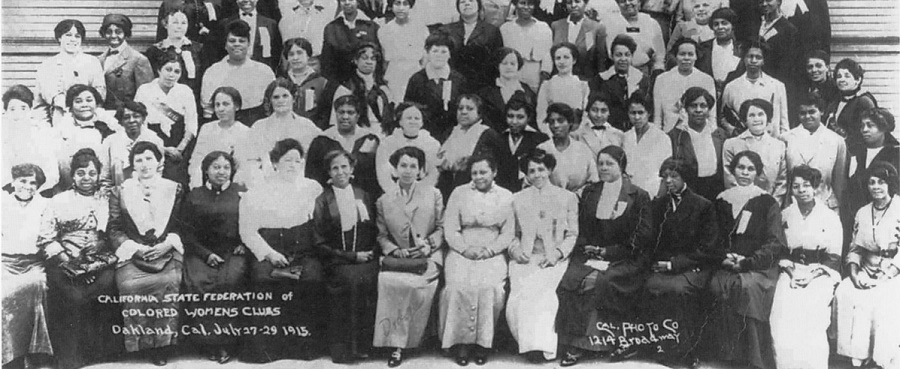
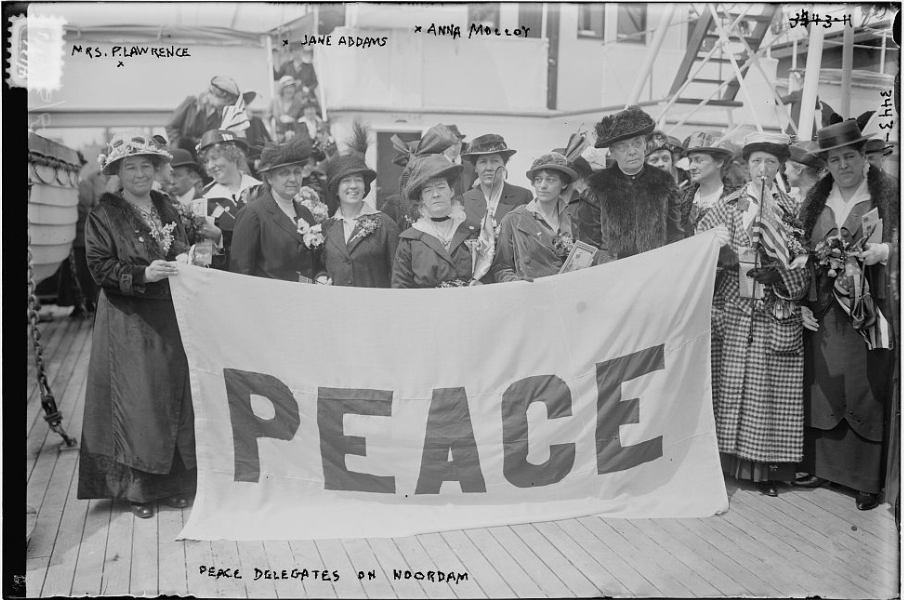
By 1914 the NACWC had 50,000 members. Their motto, “Lifting as We Climb,” was worked into songs performed regularly at meetings. It reverberates to this day.
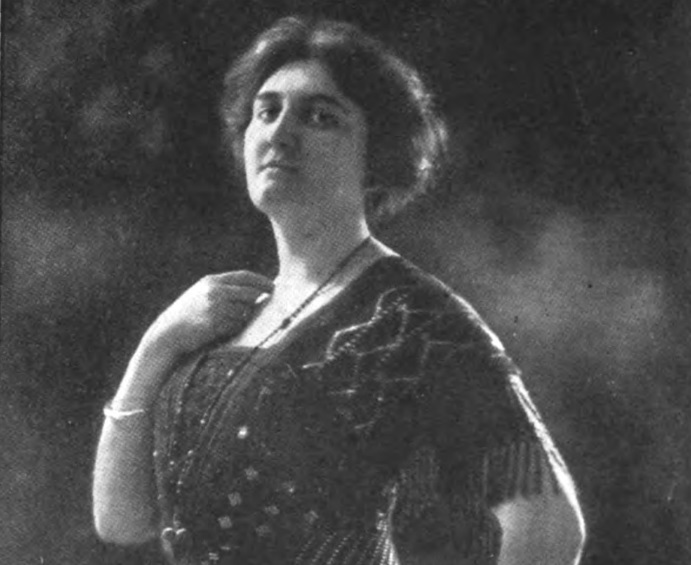
Just over a century ago, there was a concerted effort by contralto Alice Louise Mertens and composer-pianist Lola Carrier Worrell, and others, to champion American women composers.
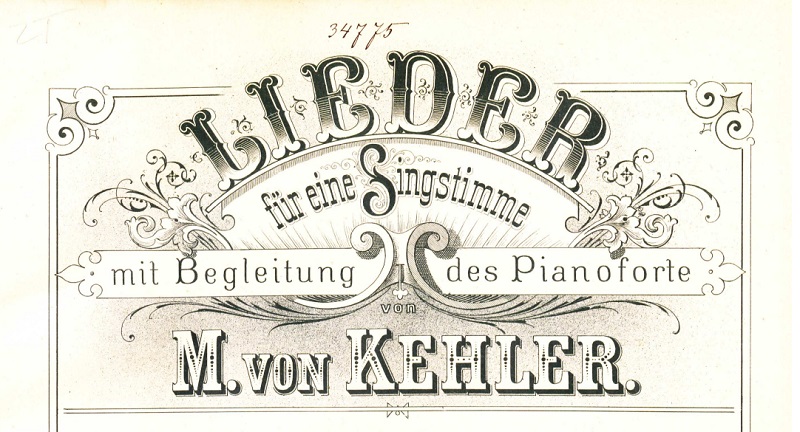
Troves of German Lieder composed by women await their first performances. Here is one composer whose songs have recently been recorded for the first time.
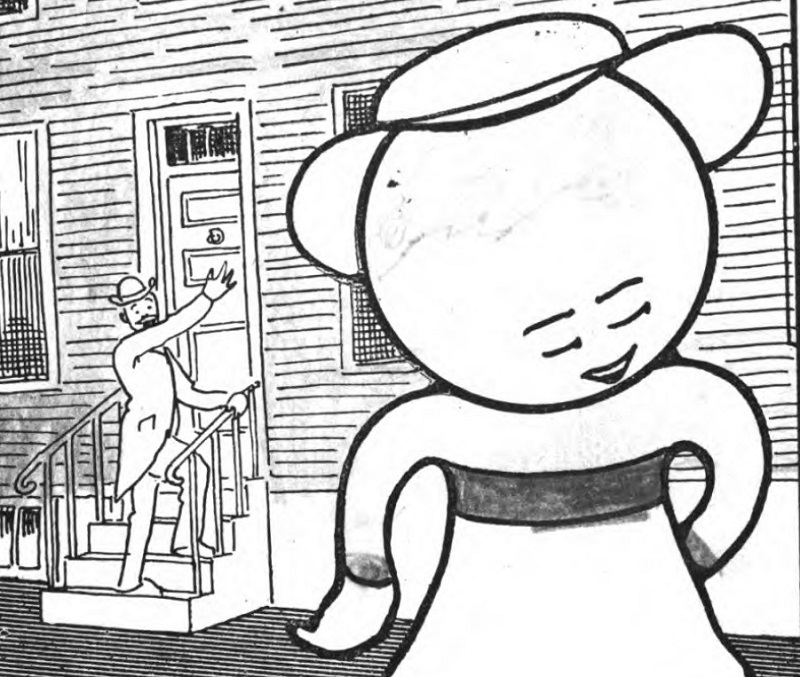
“The Goop Directory of Juvenile Offenders Famous for Their Misdeeds” is an unlikely source of material for children’s songs. Elizabeth Merz Butterfield thought otherwise.
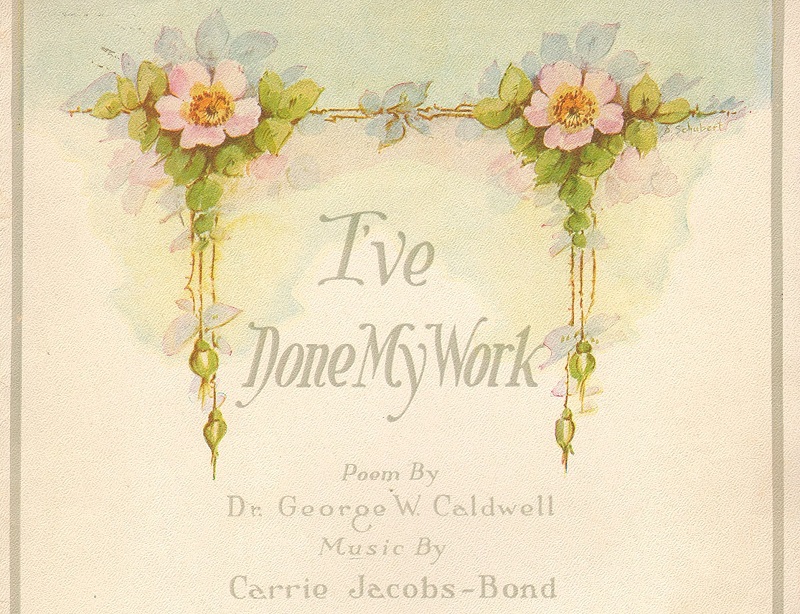
Black singers and churchgoers have a long and deep tie to Carrie Jacobs Bond’s “I’ve Done My Work” (1920). Why this song?
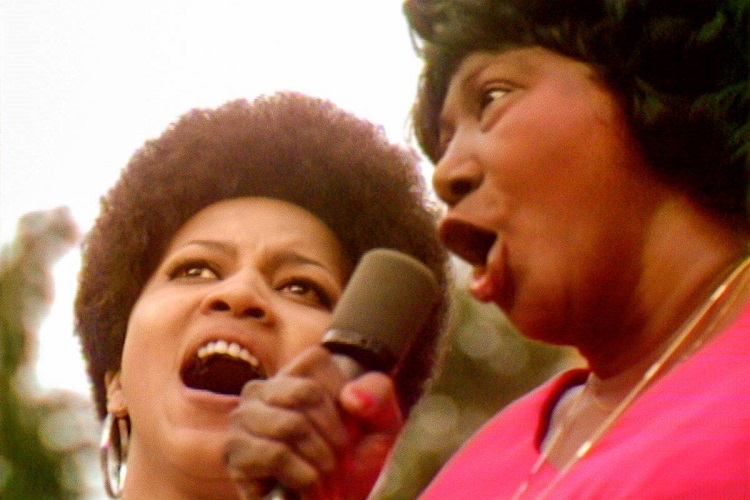
Mahalia Jackson’s career unfolded through easy-to-overlook intersections with women who were models and mentors, peers and progeny.
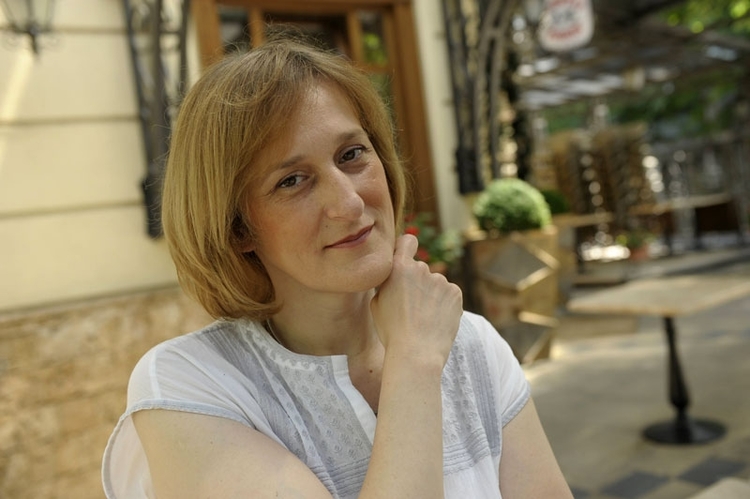
One year ago one of Serbia’s most distinguished musical voices, Isidora Žebeljan, died. Here are three glimpses of what we have lost.