Musical Images of Motherhood, Pt. 2
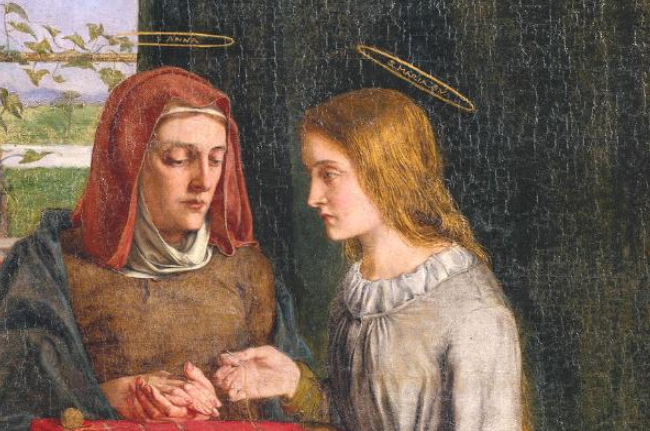
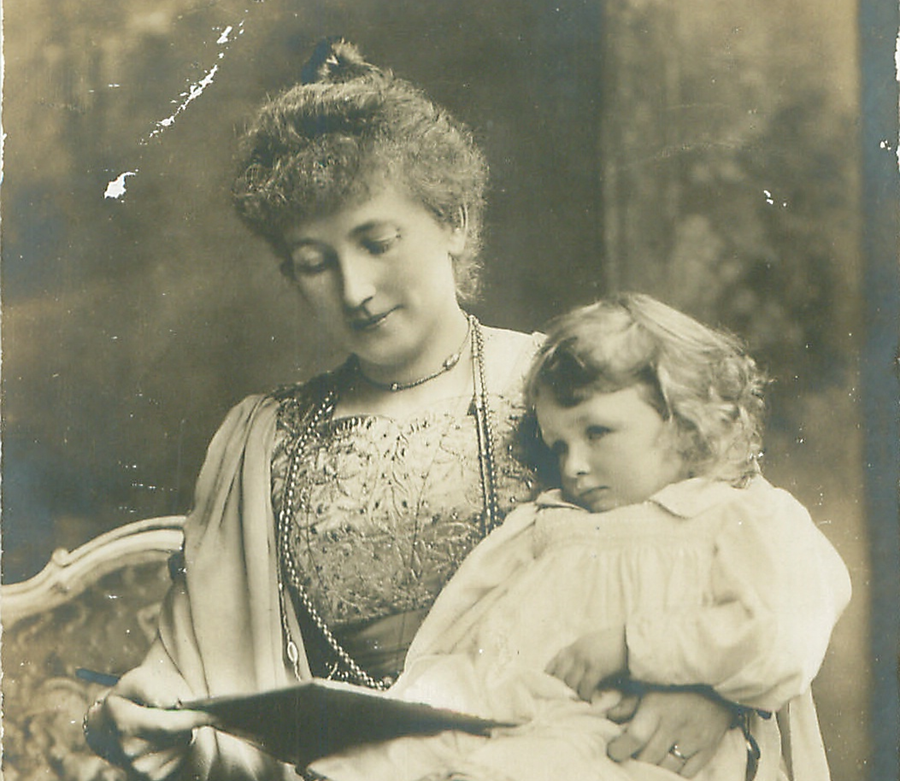
In their songs about motherhood, Alicia Needham and Liza Lehmann went far beyond nostalgic lullabies and innocuous children’s songs. Their musical portrayal of motherhood reveals an existential survival strategy.

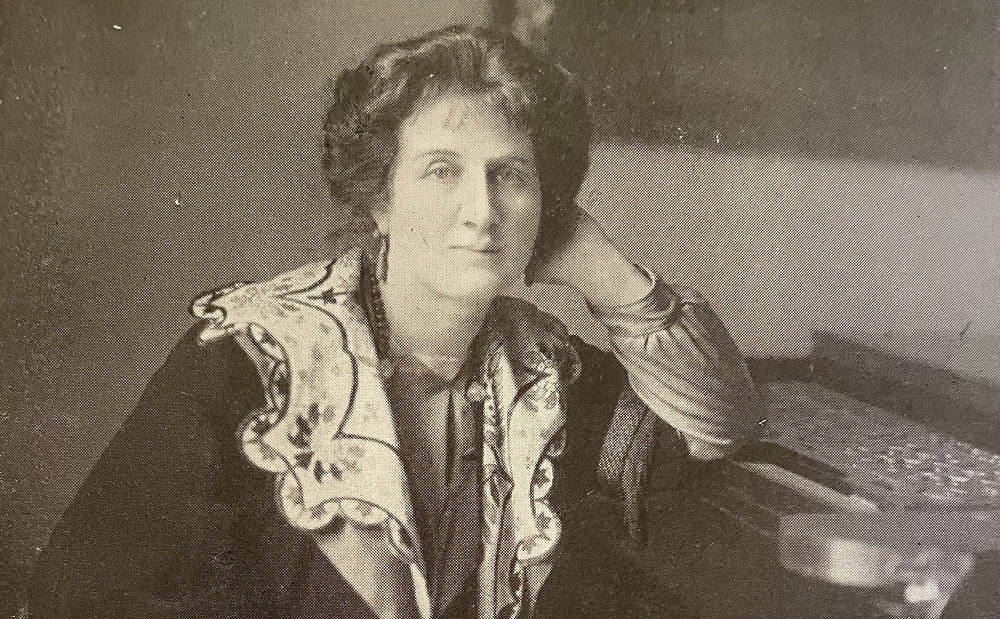
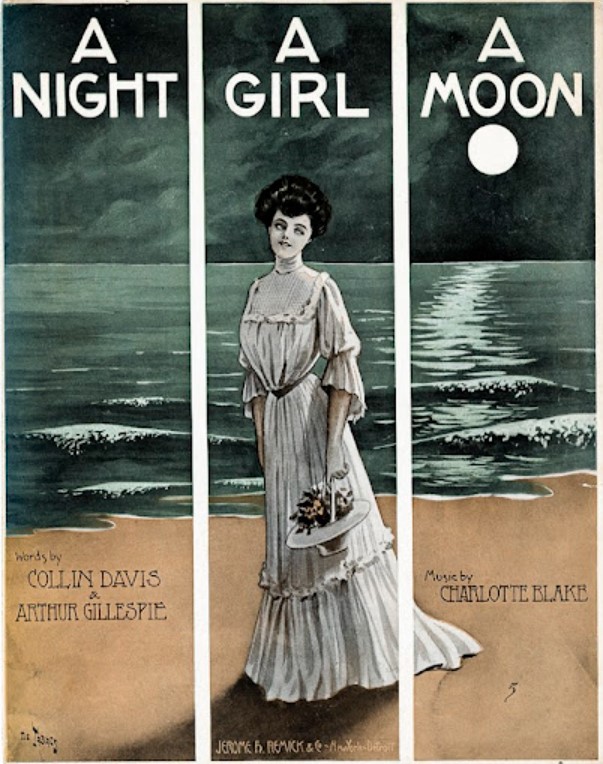

In their songs about motherhood, Alicia Needham and Liza Lehmann went far beyond nostalgic lullabies and innocuous children’s songs. Their musical portrayal of motherhood reveals an existential survival strategy.
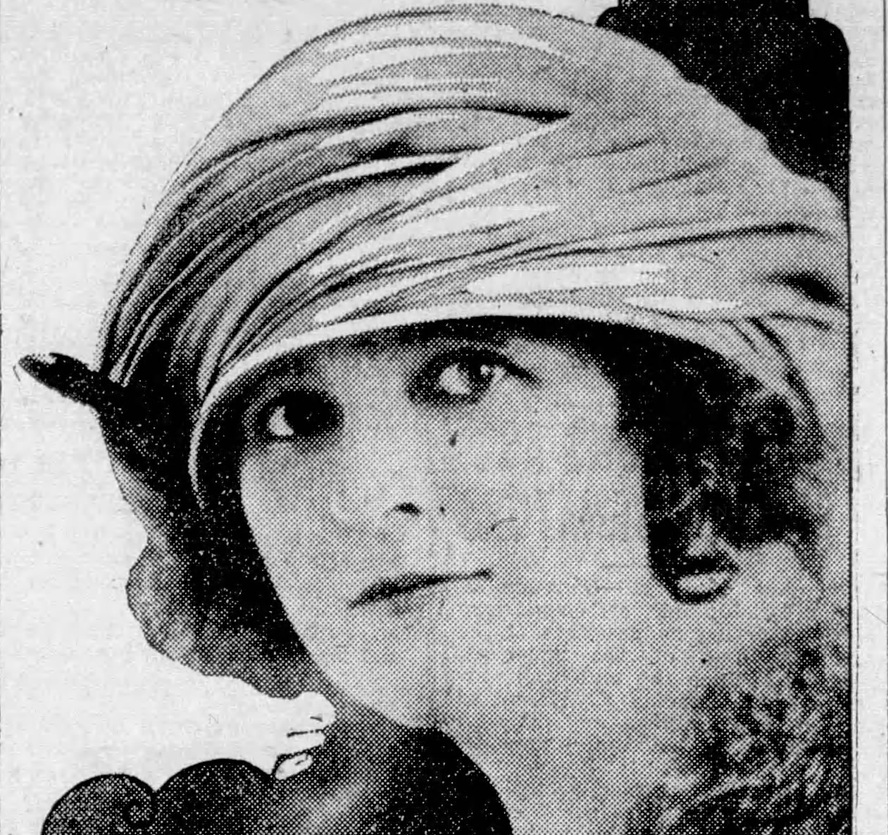
Lily Strickland’s “Mah Lindy Lou,” a setting of her own Black dialect poem, became internationally popular and was often performed and recorded by Black and white singers
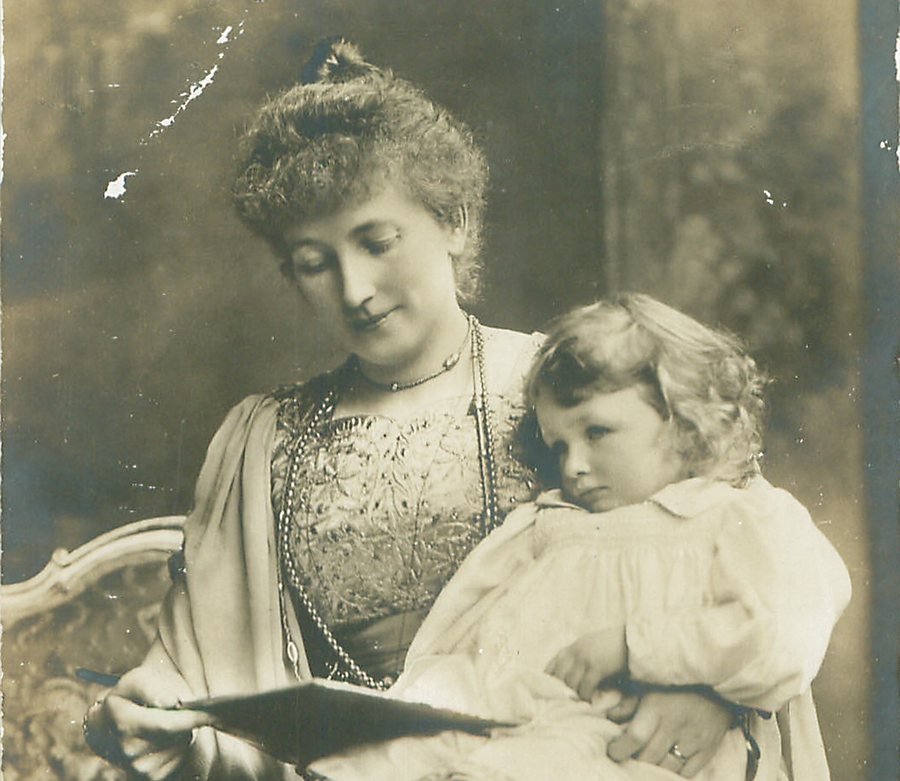
Behind the gentle rhythms and pastoral lyrics British women composed to celebrate Mother’s Days a century and more ago lie several calculated strategies. This is Part 1 of 2.
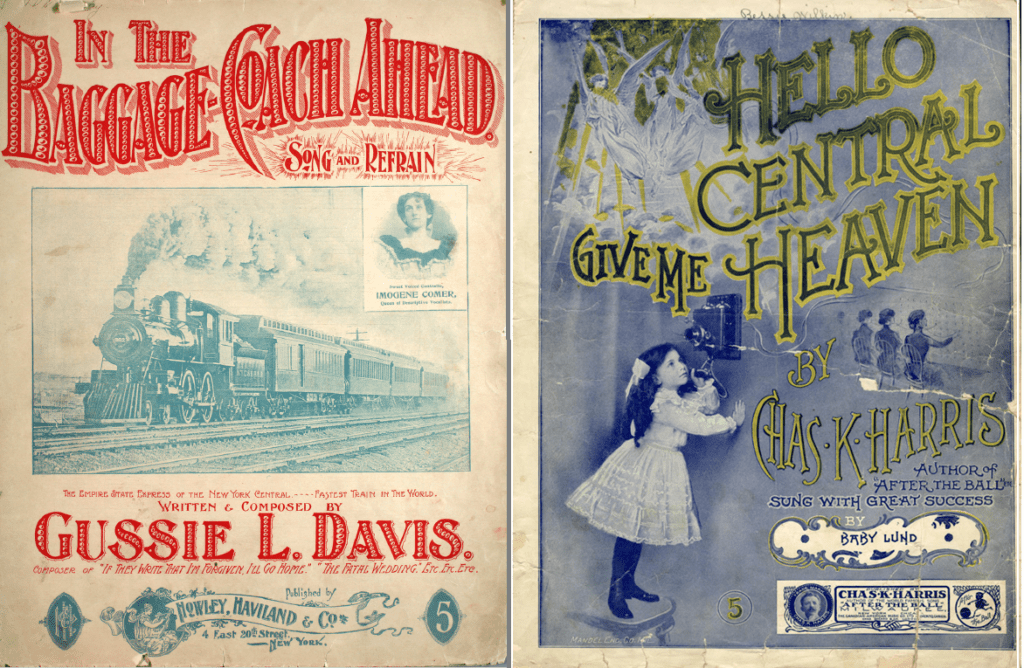
Songs about life after the death of a mother in childbirth were once extremely popular. Now long forgotten, the tales they tell are worth hearing.
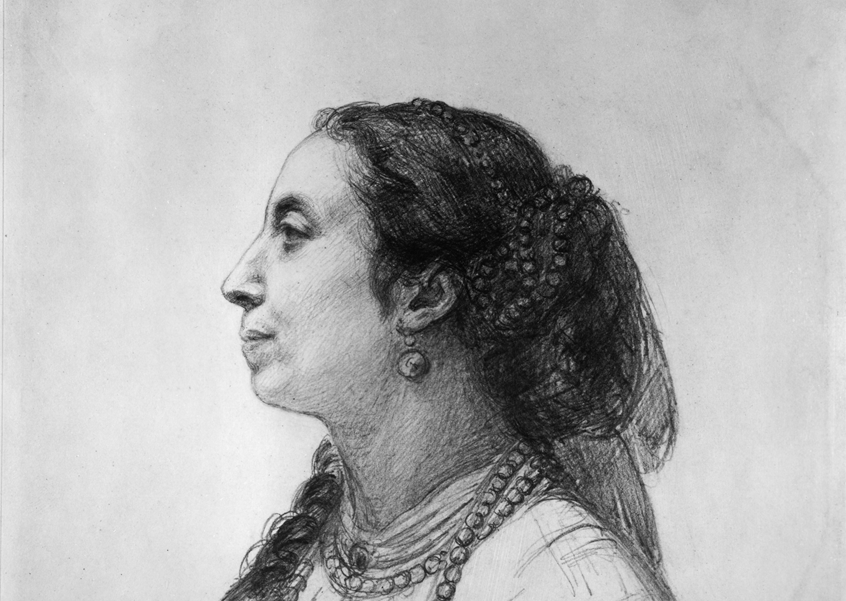
Can the editorial creation of a song-cycle from individual songs help raise the visibility of women composers? The songs of Pauline Viardot-Garcia offer a wonderful opportunity.


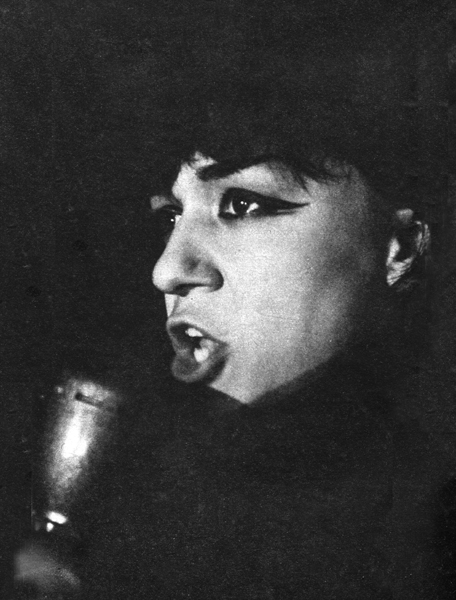
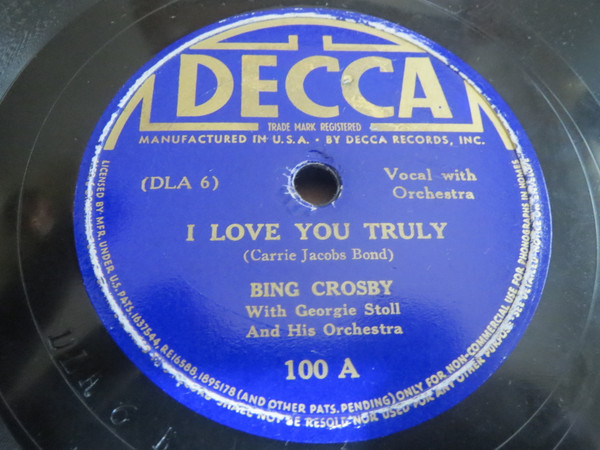
Even as churches ban “I Love You Truly,” brides and grooms embrace it, as do films, radio broadcasts, and recording companies.

On a lark, I asked my students to listen to a beautiful song by Caroline Shaw and, rather than write about it, draw a picture of it. The results astounded me.
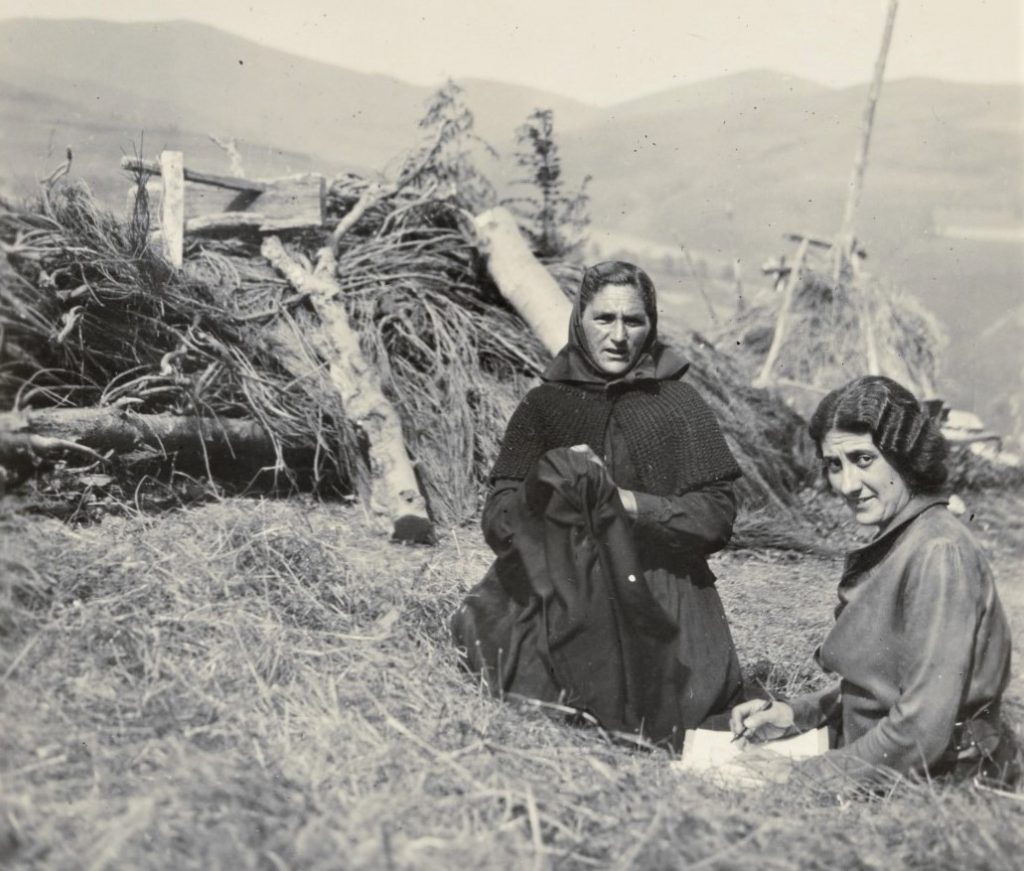
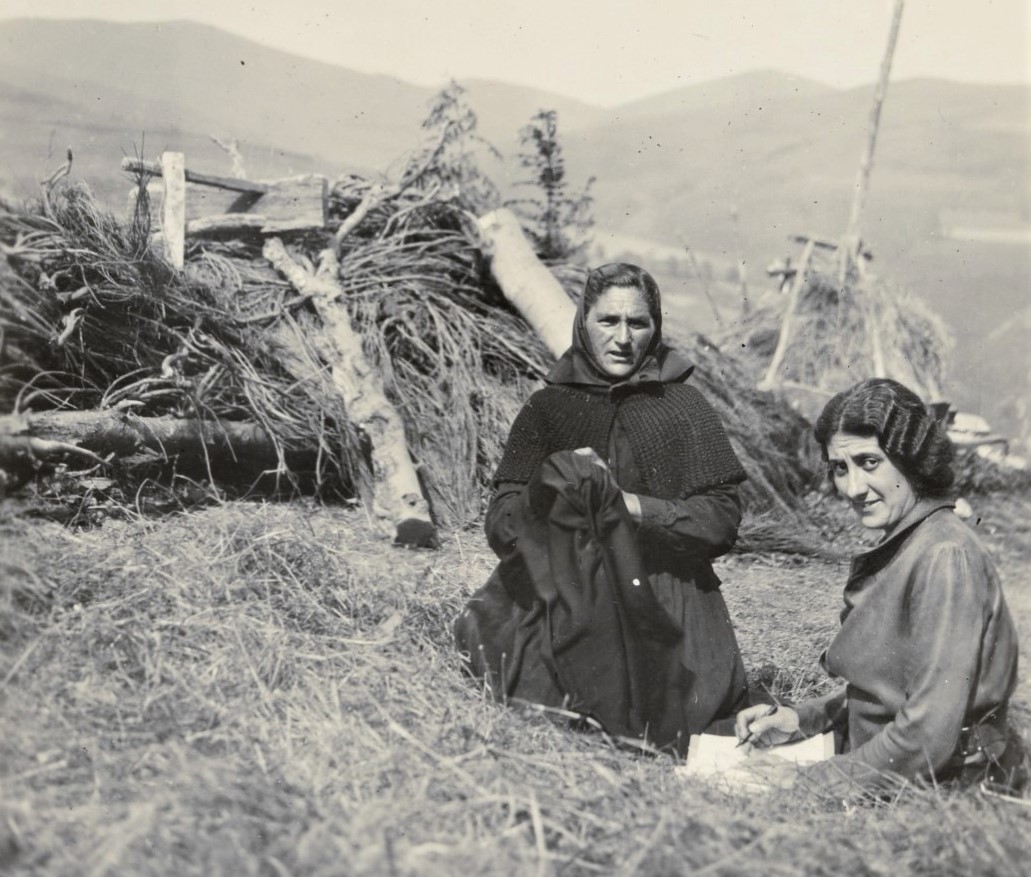
Palmira Jaquetti Isant (1895-1963) is a Catalan-Spanish poet, folklorist, and composer whose name you will not find in music dictionaries.
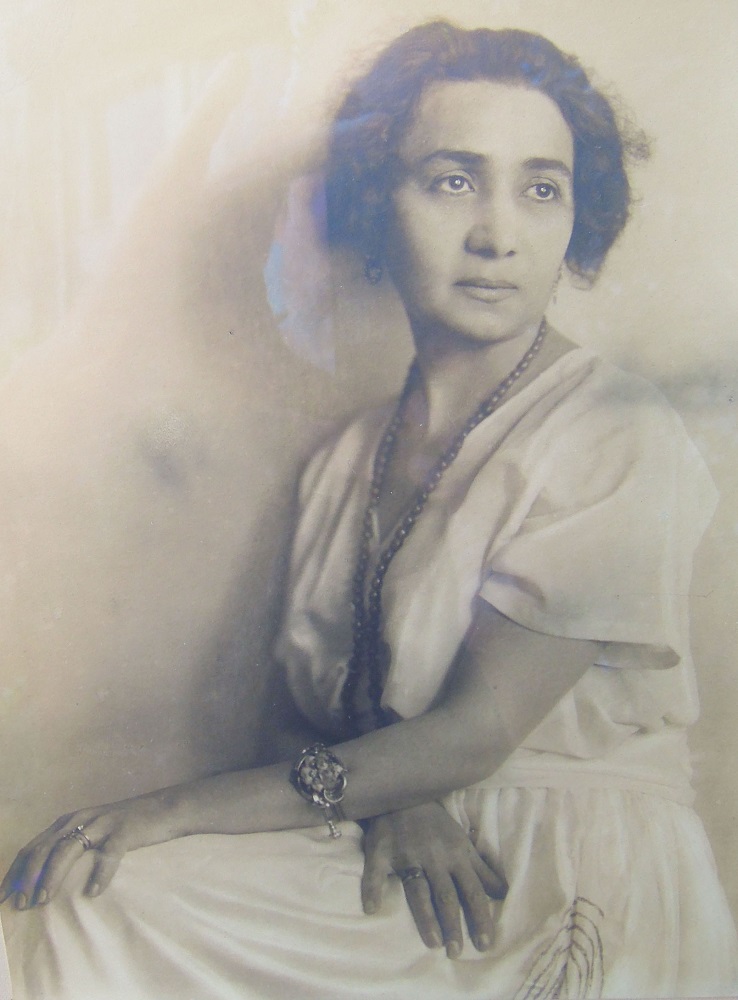
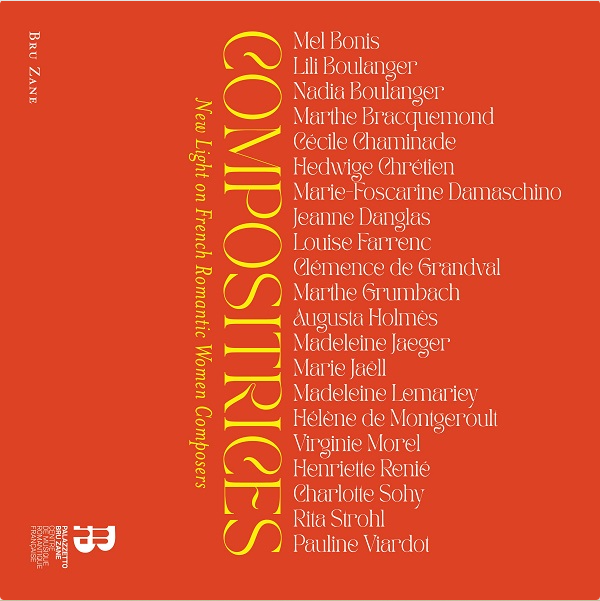
Ralph P. Locke reviews an astonishing set of 8 CDs that offer dozens of compositions by women performed by major singers, pianists, and ensembles.
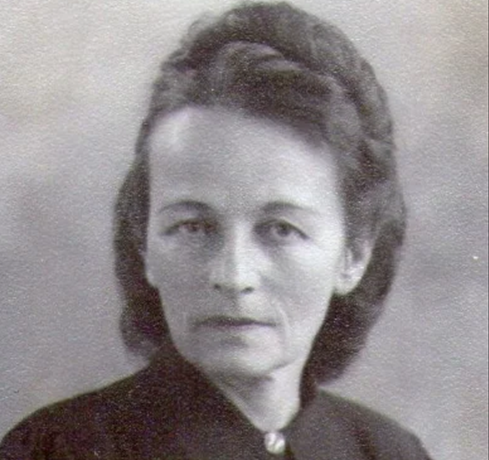
Eva Maria Doroszkowska marks the most recent anniversary of Russia’s invasion of Ukraine with this reflection about the remarkable, but largely unknown, composer Stefania Turkewich.
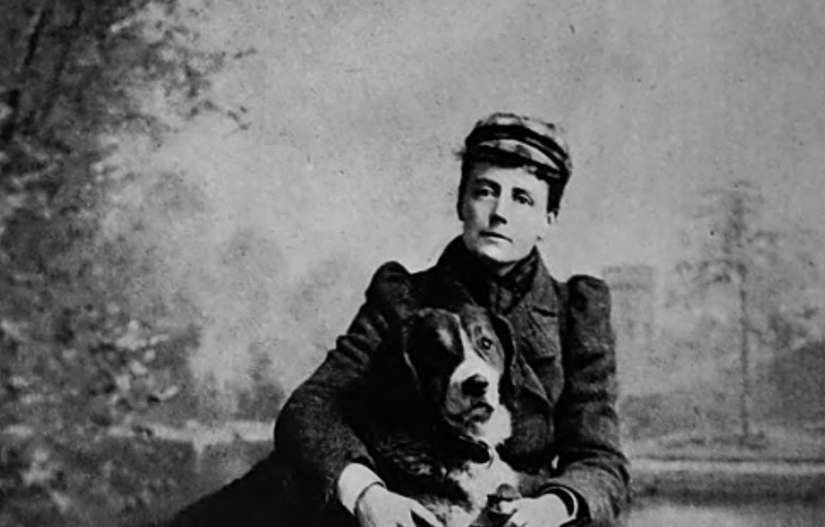
Lisa Colton recounts the thrill of discovering the autograph manuscript of Edith Smyth’s ‘Mass in D.’
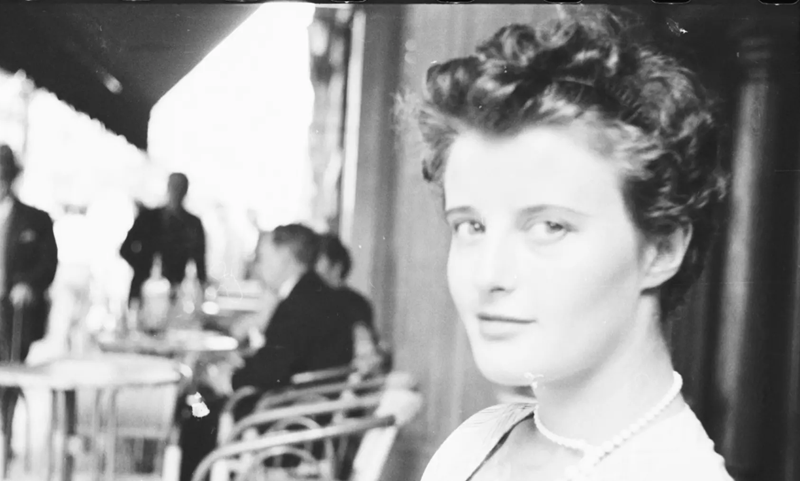
Ascensión Mazuela-Anguita finds that Lomax’s 1952-53 recordings help us to understand the political situation under Franco, life in impoverished Spain, and the moral constrictions faced by women.
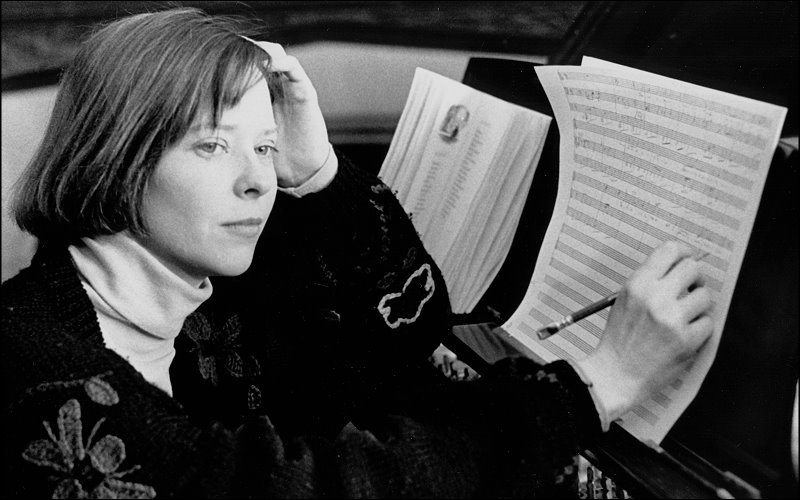
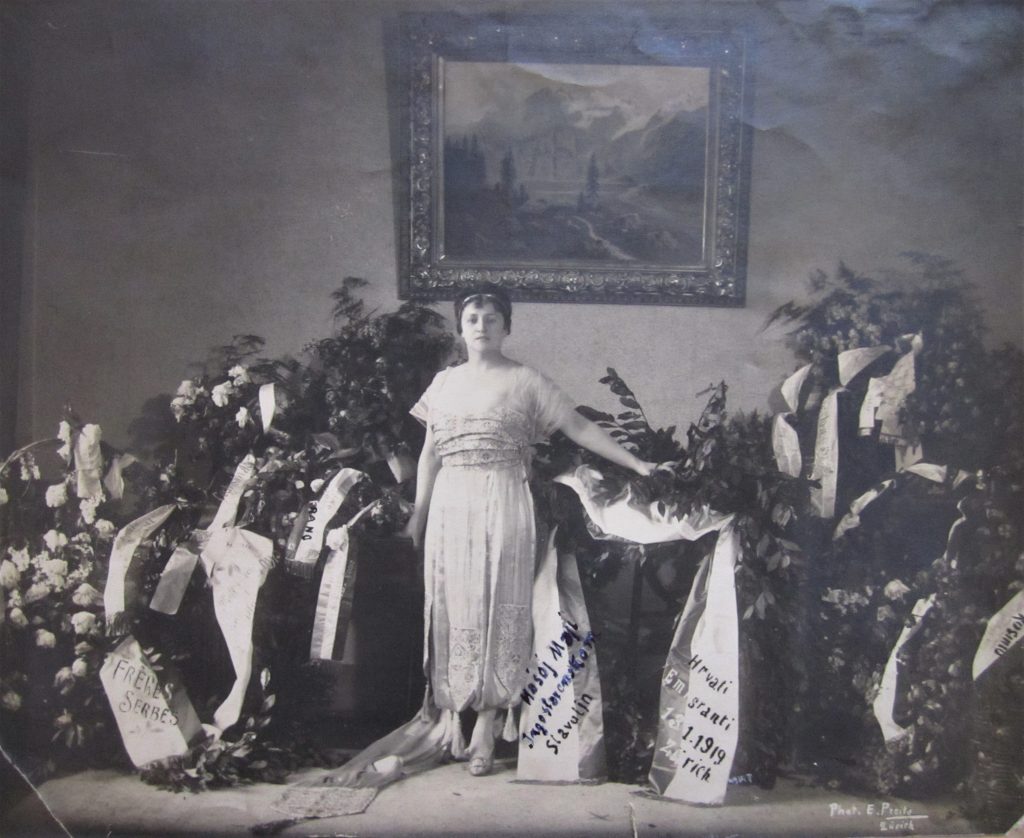
A century ago the new Yugoslav ‘national’ music needed women; two influential women, Maja Strozzi-Pečić and Ivanka Milojević, seized the moment to gain a public voice.
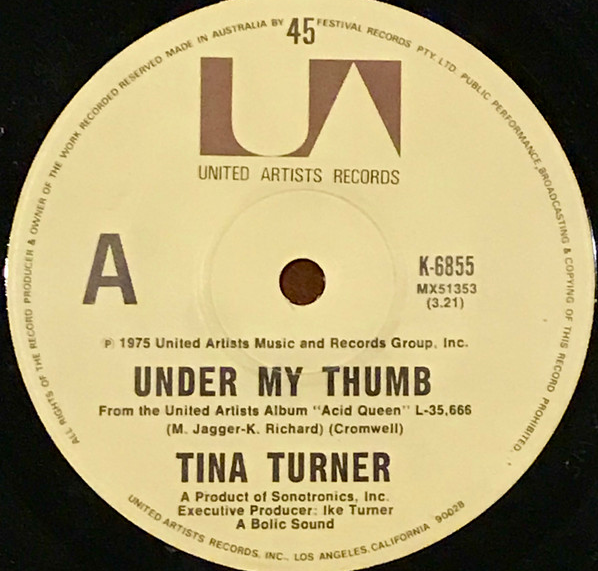
Women’s covers of Rolling Stones’ songs demonstrate the practice of singers covering a previous cover rather than the original version of a song.
A conversation with soprano Susan Narucki about her new album of art songs by early 20th-century women composers.